Cart
0
You may also like



TL;DR:
- Natural skincare for sensitive skin relies on gentle, non-toxic ingredients that calm and support the skin barrier without causing irritation. Key ingredients include colloidal oatmeal, soothing botanicals, humectants, and barrier-repairing compounds, all in fragrance-free formulations. A simple, consistent routine with mineral SPF and patch testing ensures safe, effective care over time.
Natural skincare for sensitive skin is the practice of using gentle, non-toxic, and scientifically supported ingredients that protect and calm fragile skin barriers without triggering irritation. If your skin flushes, stings, or breaks out in response to mainstream products, you are not alone, and the solution is not more products. It is better ones. Ingredients like colloidal oatmeal, zinc oxide, and fragrance-free botanical extracts form the foundation of a genuinely restorative approach. At Fiercenature, we believe the land provides everything your skin needs. This guide walks you through the ingredients, routines, and product choices that actually work for sensitive skin.
The most effective natural ingredients for sensitive skin are those that calm inflammation, reinforce the skin barrier, and deliver hydration without synthetic additives. Knowing which ingredients to look for transforms your shopping from guesswork into confident, informed choices.

Colloidal oatmeal is the standout performer in this category. At a 1% concentration, it is an FDA-approved skin protectant that temporarily relieves minor irritation and itching caused by eczema and rashes. This matters because it is one of the few natural ingredients with official regulatory recognition for its soothing properties. When you see “colloidal oatmeal” listed as an active ingredient on a label, that is a meaningful signal of efficacy. Generic “oat extract” is not the same thing.
Soothing botanicals round out the core ingredient list beautifully. Aloe vera, chamomile, and calendula are all well-documented for their calming, anti-inflammatory properties in skincare formulations. Chamomile contains bisabolol, a compound that reduces redness and speeds up skin recovery. Calendula is particularly effective for dry, reactive skin because it supports wound healing at a cellular level. Aloe vera delivers immediate cooling relief while drawing moisture into the upper layers of the skin.
Natural hydrators deserve equal attention. Hyaluronic acid, ceramides, phytosterols, and phospholipids all support the skin’s moisture barrier and reduce sensitivity over time. Lipid-reinforcing moisturisers containing these ingredients improve skin resilience with consistent daily use. This is not a quick fix. It is a long-term investment in a stronger, calmer complexion.
Colloidal oatmeal (1% active): FDA-recognised skin protectant for eczema and irritation relief
Chamomile and calendula: anti-inflammatory botanicals that reduce redness and support healing
Aloe vera: immediate soothing and hydration for reactive or sunburned skin
Hyaluronic acid: draws moisture into the skin without clogging pores
Ceramides and phytosterols: rebuild the lipid barrier that sensitive skin frequently loses
Zinc oxide: a mineral that soothes and protects without absorbing into the skin
Pro Tip: When searching for colloidal oatmeal products, look specifically for “colloidal oatmeal” listed as an active ingredient rather than “oat extract” or “avena sativa” in the inactive ingredients. Only the active listing guarantees the therapeutic concentration your skin needs.
Fragrance is the single most common trigger for sensitive skin reactions, and it hides in unexpected places. Essential oils, parfum, and even “natural fragrance” blends can cause contact dermatitis in reactive skin types. Choosing genuinely fragrance-free skincare options is not a preference. It is a clinical necessity for many people with sensitive skin.
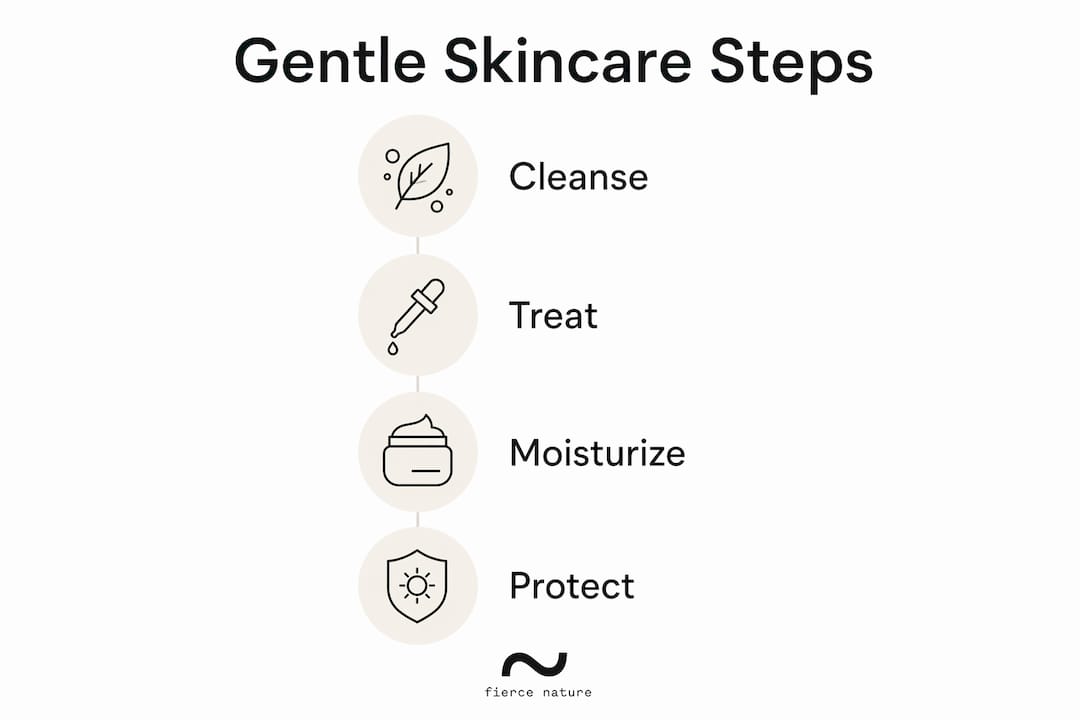
A well-ordered skincare routine for sensitive skin does not need to be complicated. Three to four steps, applied consistently, will outperform a ten-step routine filled with reactive ingredients. The goal is to cleanse gently, hydrate deeply, and protect reliably.
Step 1: Gentle cleansing (morning and evening)
Start with a sulfate-free, fragrance-free cleanser that removes sebum, sweat, and environmental residue without stripping the skin barrier. Sulfates like sodium lauryl sulfate are highly effective at removing oil, but they are too aggressive for sensitive skin. They disrupt the acid mantle, the skin’s natural protective film, leaving it vulnerable to irritation. Look for cleansers with a short ingredient list and a pH close to the skin’s natural range of 4.5 to 5.5.
Step 2: Targeted treatment (evening only, when needed)
If you are managing eczema, redness, or persistent dryness, apply a colloidal oatmeal serum or a calendula-based treatment after cleansing. Keep this step minimal. Sensitive skin benefits from fewer active ingredients, not more. Avoid retinoids, AHAs, and BHAs unless specifically recommended by a dermatologist, as these exfoliants frequently trigger flare-ups in reactive skin.
Step 3: Moisturising (morning and evening)
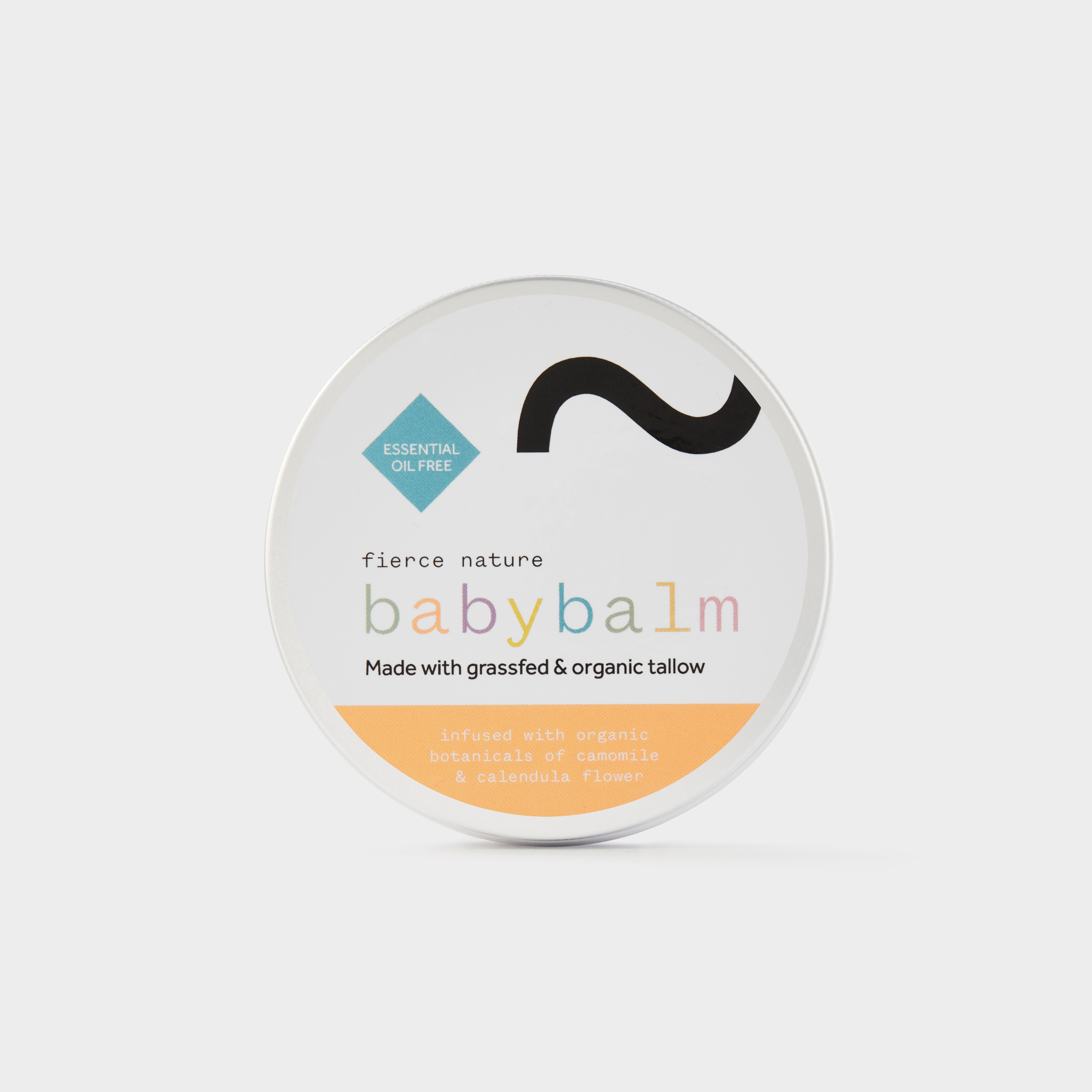
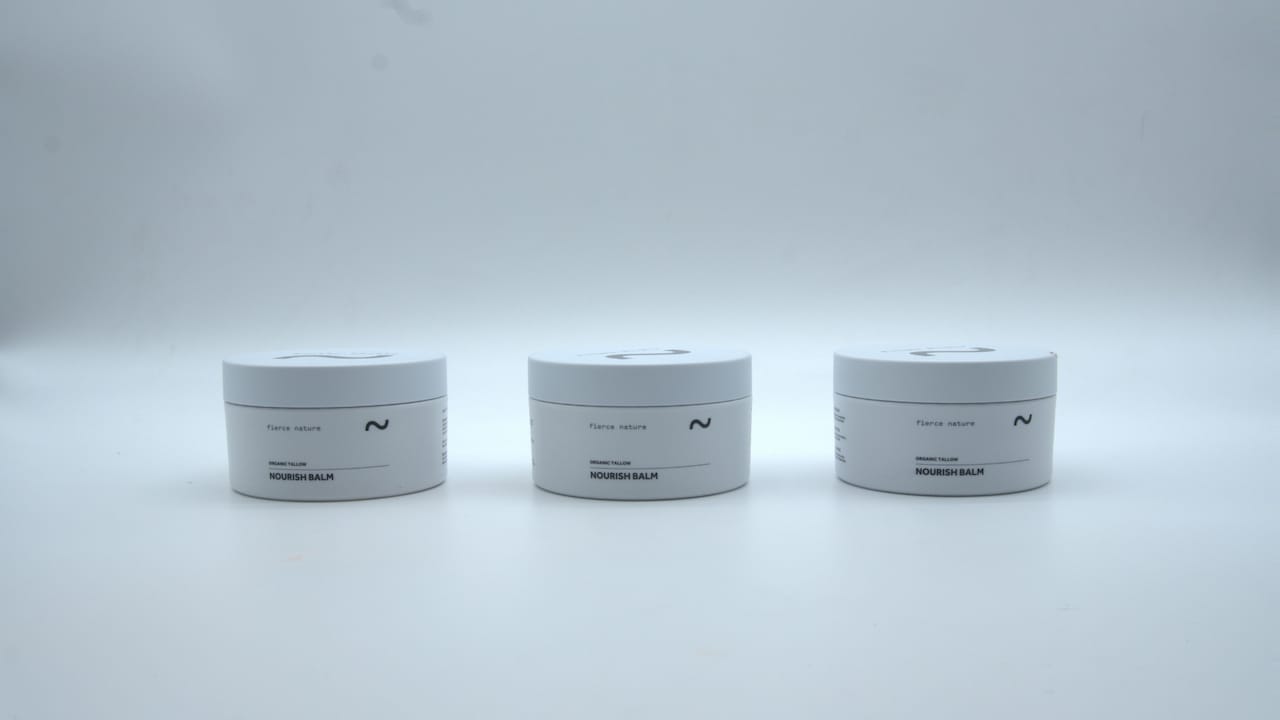
Apply your moisturiser while your skin is still slightly damp to lock in hydration. Products containing ceramides, hyaluronic acid, and phytosterols rebuild the lipid barrier with each application. Tallow-based balms, like those crafted by Fiercenature, are particularly effective here because tallow’s fatty acid profile closely mirrors the skin’s own sebum. This biocompatibility means it absorbs deeply without sitting on the surface or clogging pores. You can explore building your natural routine with Fiercenature’s step-by-step guidance.
Step 4: Mineral sunscreen (morning only)
This step is non-negotiable. Mineral sunscreens containing zinc oxide or titanium dioxide physically block UV radiation without absorbing into the skin, making them far better tolerated by sensitive skin than chemical alternatives. Choose a broad-spectrum SPF 30 or higher that is fragrance-free and water-resistant.
| Step | Product type | Key ingredients to look for |
|---|---|---|
| Cleanse | Sulfate-free gel or cream cleanser | Aloe vera, oat extract, glycerin |
| Treat | Serum or targeted balm (evening) | Colloidal oatmeal, calendula, ceramides |
| Moisturise | Cream, balm, or whipped butter | Tallow, hyaluronic acid, phytosterols |
| Protect | Mineral SPF 30+ | Zinc oxide, titanium dioxide |
Pro Tip: Apply your mineral sunscreen as the final step in your morning routine, after moisturiser. Mixing it with other products reduces its protective efficacy. Give it 60 seconds to settle before applying any makeup.
Consistency matters more than perfection. Sensitive skin responds to routine. Switching products frequently disrupts the barrier recovery process and makes it harder to identify what is actually working or causing a reaction.
Choosing organic skincare for sensitive skin safely requires reading labels critically, not just trusting marketing claims. The words “natural,” “clean,” and “botanical” carry no regulatory definition in the UK. A product can use all three terms and still contain synthetic fragrances, alcohol, or preservatives that irritate sensitive skin.
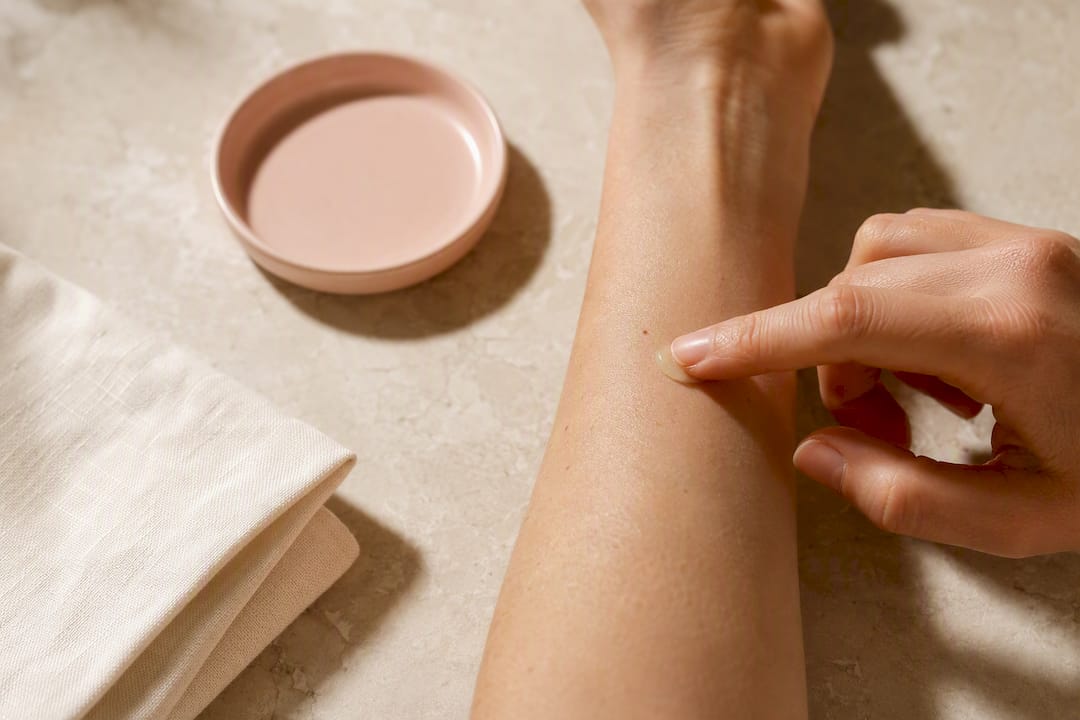
Patch testing new products before applying them to your face is the single most reliable way to avoid adverse reactions. Apply a small amount to the inner forearm or behind the ear, leave it for 24 to 48 hours, and observe for redness, itching, or swelling. Even well-formulated natural products can trigger reactions in individual skin types. Patch testing removes the guesswork.
The ingredient list tells the real story. Ingredients are listed in descending order of concentration, so the first five to seven ingredients make up the bulk of the formula. Look for these red flags in any product:
Parfum or fragrance: even in natural products, this term can mask dozens of undisclosed chemicals
Alcohol denat (denatured alcohol): drying and disruptive to the skin barrier
Sodium lauryl sulfate (SLS) and sodium laureth sulfate (SLES): harsh surfactants that strip natural oils
Parabens and phthalates: synthetic preservatives and plasticisers linked to skin sensitisation
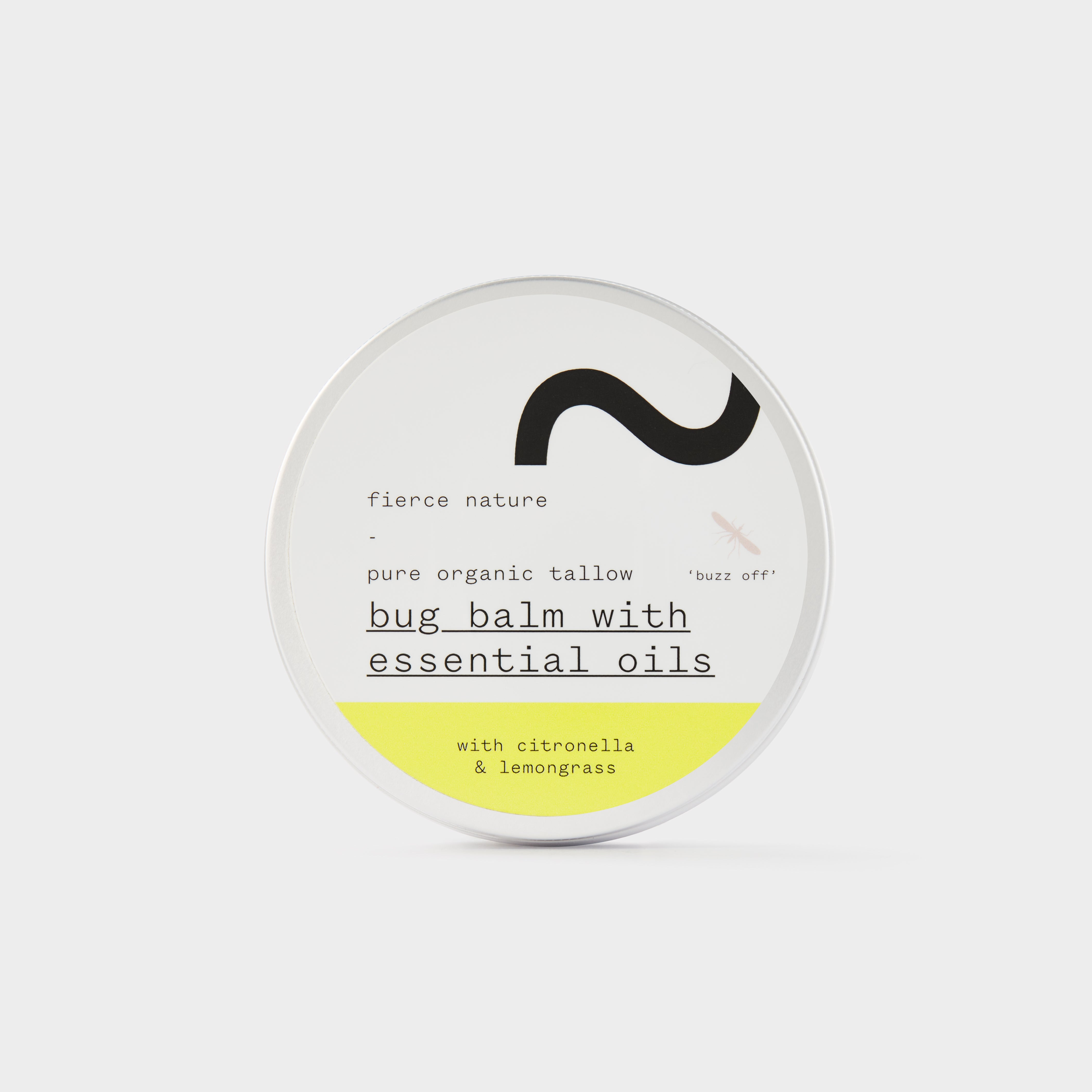
Essential oils in high concentrations: lavender, peppermint, and citrus oils are common sensitisers despite being “natural”
Non-toxic formulations that avoid sulfates, parabens, and phthalates significantly reduce the risk of irritation for sensitive skin. This is the standard Fiercenature holds every product to.
Different product formats suit different skin needs and preferences. Creams and lotions contain water, which requires preservatives to prevent bacterial growth. Balms and solid bars are anhydrous (water-free), which means they typically need fewer preservatives and have a longer shelf life. Serums deliver concentrated actives but can contain alcohol or high levels of botanical extracts that irritate reactive skin. For most people with sensitive skin, a simple balm or cream with a short ingredient list is the safest starting point.
A flare-up is your skin’s distress signal. Redness, tightness, stinging, or a sudden rash all indicate that the skin barrier has been compromised. The instinct to reach for more products is understandable, but the correct response is to strip your routine back to its most basic form.
During a flare, use only your gentle cleanser and your barrier-repair moisturiser. Remove all active treatments, exfoliants, and anything with a strong scent. Colloidal oatmeal-based products are particularly valuable at this stage because of their recognised skin-protecting properties for eczema and rash relief. A cool oatmeal compress, made by wrapping finely ground colloidal oatmeal in a muslin cloth and soaking it in cool water, can provide immediate relief for intensely reactive skin.
Pro Tip: During a flare-up, resist the urge to try a new product, even one marketed specifically for sensitive or eczema-prone skin. Introduce any new product only once your skin has returned to its baseline calm state.
Mineral sunscreen remains critical even when your skin is flaring. UV exposure during a flare worsens inflammation and slows barrier recovery. A fragrance-free zinc oxide SPF 30 or higher is gentle enough to apply even on compromised skin. Skipping sun protection because your skin feels too sensitive is one of the most common and damaging mistakes people make.
Common mistakes to avoid during a flare-up:
Using hot water to cleanse, which increases inflammation and strips the barrier further
Applying multiple new products simultaneously, making it impossible to identify the trigger
Over-exfoliating in an attempt to remove flaky or rough skin
Stopping moisturiser because the skin feels oily or congested
Choosing chemical sunscreens over mineral alternatives when the barrier is already stressed
Recovery from a flare-up takes time. Most sensitive skin barriers need four to six weeks of consistent, gentle care to rebuild meaningfully. Patience and simplicity are your most powerful tools.
Natural skincare for sensitive skin works best when it combines a short, consistent routine with barrier-supporting ingredients like colloidal oatmeal, ceramides, and zinc oxide, applied in fragrance-free formulations.
| Point | Details |
|---|---|
| Colloidal oatmeal is clinically recognised | Look for it as an active ingredient at 1% concentration for genuine eczema and irritation relief. |
| Fragrance is the top irritant to avoid | Even natural fragrances and essential oils can trigger reactions in sensitive skin types. |
| Mineral SPF is non-negotiable | Use a fragrance-free zinc oxide SPF 30 or higher every morning, including during flare-ups. |
| Patch test every new product | Apply to the inner forearm for 24 to 48 hours before using on your face. |
| Simplicity outperforms complexity | A three to four step routine with gentle, non-toxic products delivers better results than a lengthy one. |
By Ralph Barrozo
After years of working closely with people navigating sensitive skin, the pattern I see most often is not a lack of effort. It is too much effort in the wrong direction. People arrive with bathroom shelves full of products, each one promising to fix what the last one made worse. The skincare industry has a financial interest in complexity. Your skin does not.
What I have found consistently is that sensitive skin responds to trust. When you stop bombarding it with actives, fragrances, and novel ingredients, it begins to heal. The skin barrier is genuinely capable of repairing itself when given the right conditions. Tallow-based formulations, like those at the heart of Fiercenature’s range, work so well for reactive skin precisely because they speak the skin’s own language. The fatty acid profile of tallow mirrors human sebum closely enough that the skin recognises it as nourishment rather than a foreign substance.
The uncomfortable truth is that most “sensitive skin” products on the market are still full of synthetic preservatives, emulsifiers, and fragrance compounds. They are simply marketed more gently. Real gentleness comes from fewer ingredients, not softer packaging. I would encourage anyone with reactive skin to look at the before and after results from people who have made the switch to genuinely non-toxic formulations. The skin transformations are not dramatic overnight changes. They are steady, quiet recoveries that build over weeks. That is exactly what healing looks like.
— Ralph Barrozo
Fiercenature was built for skin exactly like yours. Every product in the range is handmade in the UK using premium, naturally sourced ingredients, with pure organic tallow as the foundation. There are no synthetic fragrances, no parabens, no sulfates, and no compromises. Whether you are looking for a deeply nourishing daily balm, a fragrance-free unscented bar, or a complete toxin-free skincare routine, Fiercenature has a solution designed with sensitive skin in mind. For the most delicate skin of all, the non-toxic baby skin essentials range offers the same uncompromising gentleness. Your skin deserves nourishment from the land, not the lab.
Natural skincare for sensitive skin refers to formulations that use plant-derived, mineral, or animal-based ingredients without synthetic fragrances, sulfates, parabens, or phthalates. The focus is on ingredients that calm and protect the skin barrier rather than disrupt it.
Colloidal oatmeal at 1% concentration is an FDA-approved skin protectant specifically recognised for relieving eczema and rash irritation, making it one of the safest and most well-validated ingredients for reactive skin types.
Yes. Even natural botanicals like lavender, peppermint, and citrus essential oils are common sensitisers. Patch testing every new product for 24 to 48 hours before facial application is the most reliable way to avoid unexpected reactions.
Mineral sunscreens containing zinc oxide or titanium dioxide sit on the skin’s surface and physically deflect UV rays, whereas chemical sunscreens absorb into the skin and convert UV energy to heat. Many sensitive skin patients find mineral options far less irritating because they do not penetrate the skin barrier.
Most people see meaningful improvement in skin barrier strength and reduced reactivity after four to six weeks of consistent, gentle care. Switching products too frequently resets this recovery process, so patience and routine simplicity are key.