Cart
0
80% Also Added this





TL;DR:
- Handmade skincare offers superior freshness, ingredient transparency, and gentler preservation systems that support skin health. It also minimizes environmental impact through local sourcing, small-batch production, and sustainable packaging. While natural ingredients carry allergen risks, proper formulation and patch testing ensure safe, effective results tailored to individual needs.
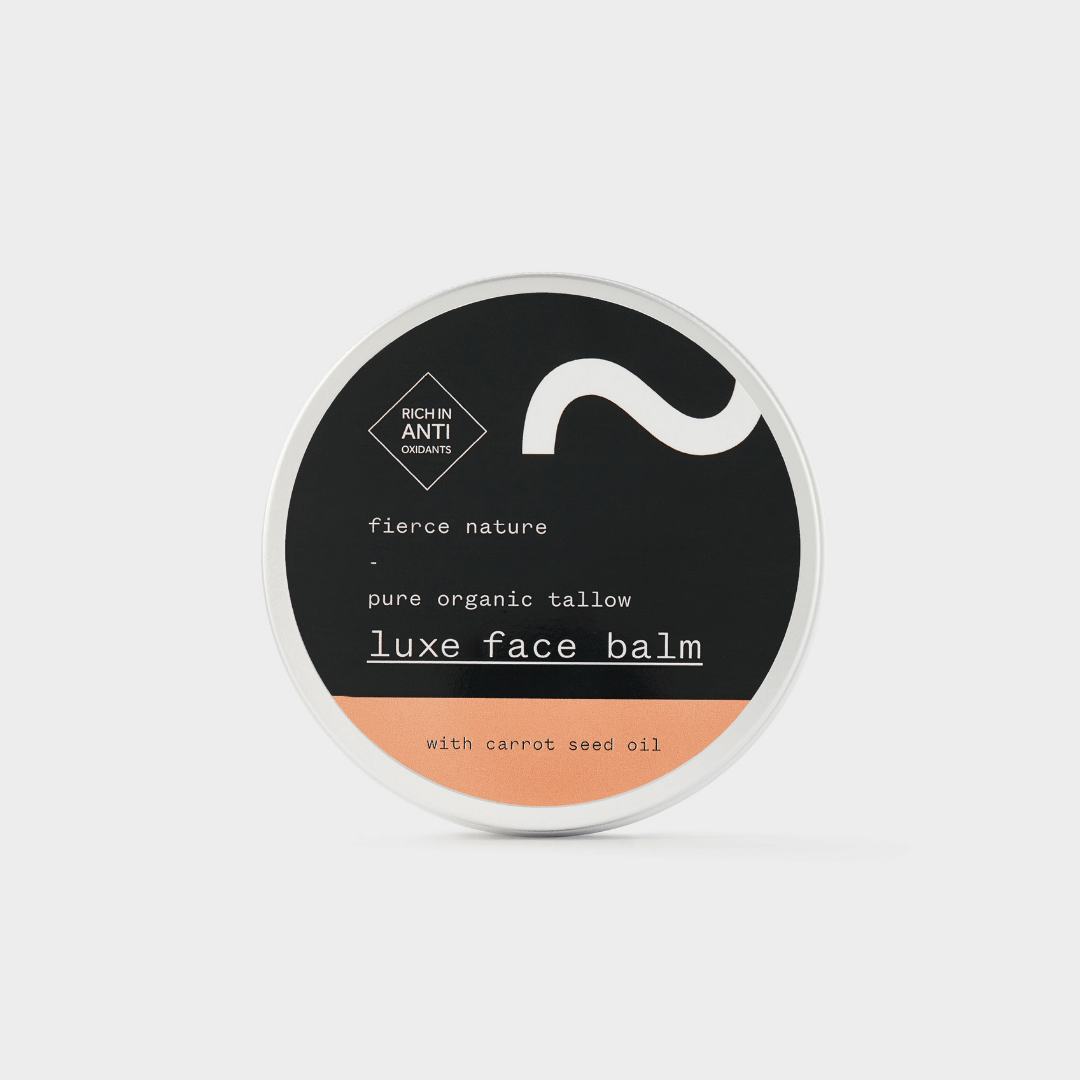
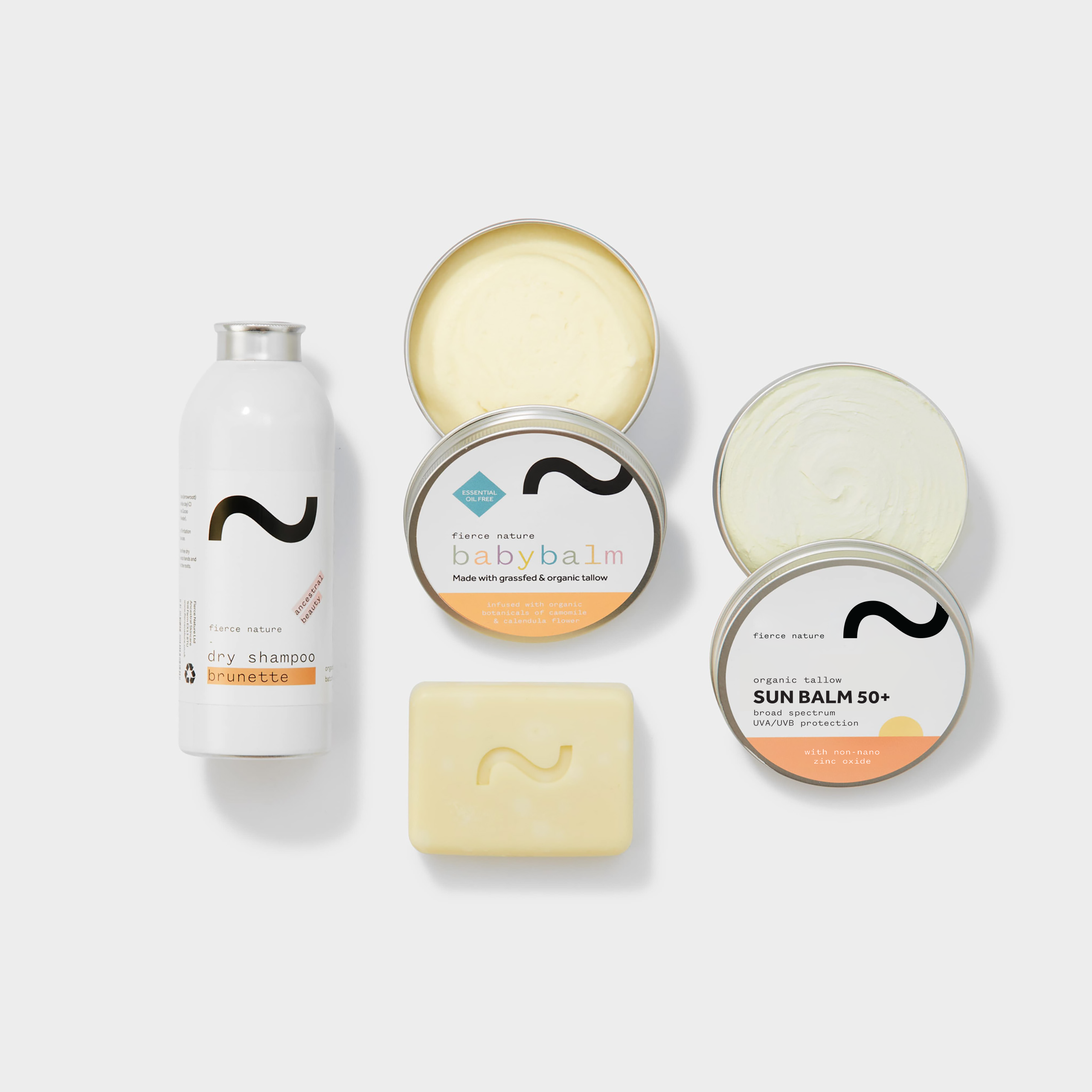
Handmade skincare is defined as small-batch, artisanal products crafted with natural ingredients, minimal synthetic additives, and rapid production cycles that preserve ingredient potency. The handmade skincare benefits list is longer than most people realise, and the reasons go well beyond pleasant packaging or feel-good marketing. Freshness, ingredient transparency, gentler preservation systems, and a lower environmental footprint are the primary advantages that separate artisanal formulations from mass-produced alternatives. Research confirms that unstable actives like vitamin C degrade rapidly when exposed to light, heat, and oxygen during long supply chains. At Fiercenature, we have built our entire range around this understanding, using pure organic tallow and naturally sourced botanicals crafted in the UK to give your skin genuine nourishment rather than empty promises.
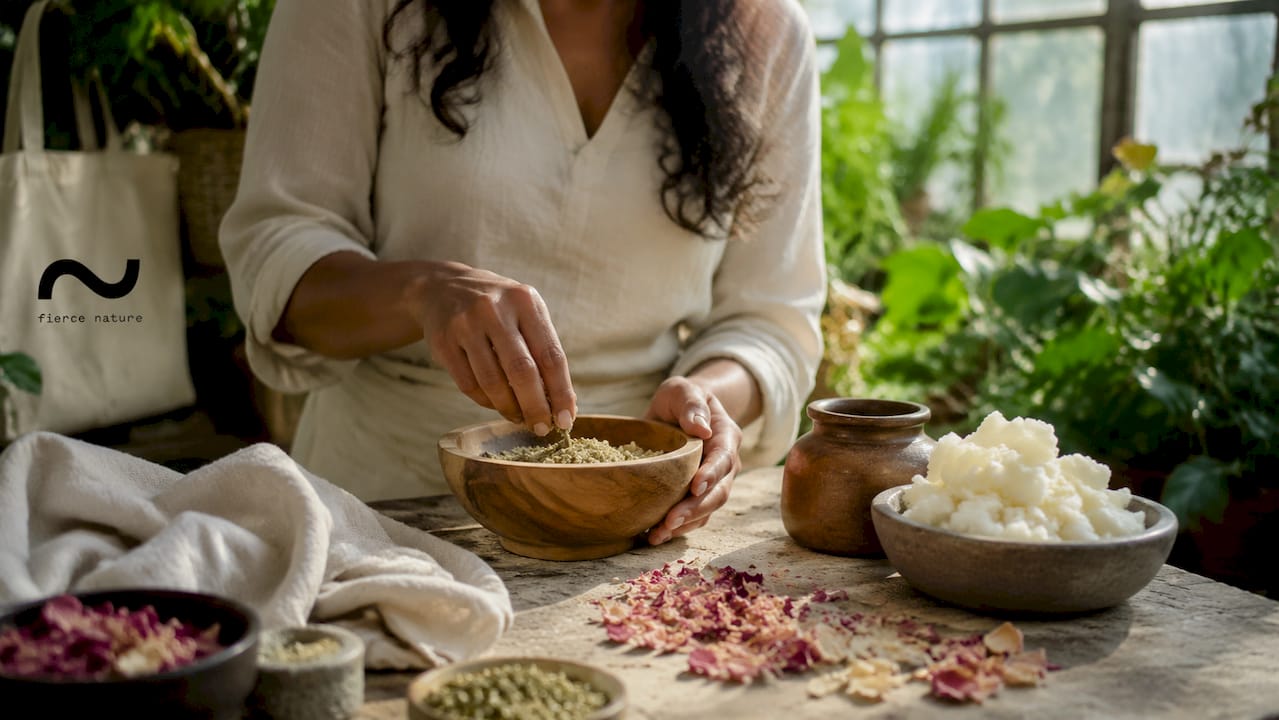
Freshness is the single most significant advantage of handmade skincare, and it directly determines how much benefit your skin actually receives. Mass-produced products often sit in warehouses and on retail shelves for months before reaching you. During that time, unstable natural actives such as vitamin C, retinol-rich plant oils, and botanical antioxidants undergo oxidation and lose their potency.
Small-batch production solves this by dramatically shortening the time between manufacture and use. Rapid turnover in handmade production preserves the concentration of active compounds, meaning your skin receives ingredients at their most effective. Unrefined oils such as rosehip and sea buckthorn, for example, retain their full spectrum of phytochemicals and fatty acids when processed and used quickly. Refined versions of the same oils, processed for longer shelf life, lose much of that nutritional richness.
Packaging also plays a role in maintaining freshness once a product leaves the maker. Opaque, airtight containers protect light-sensitive and oxygen-sensitive actives far better than clear jars or open-topped pots.
Pro Tip: When choosing handmade skincare, look for products sold in dark glass or aluminium packaging. These materials protect unstable actives from light and air degradation far more effectively than clear plastic.
The skin microbiome is the community of beneficial bacteria, fungi, and other microorganisms that live on your skin’s surface and play a direct role in barrier function, hydration, and protection against pathogens. Disrupting this community leads to inflammation, sensitivity, and conditions such as eczema and acne.
Synthetic preservatives in conventional skincare can disrupt the skin microbiome, while handmade skincare tends to use milder, natural preservation systems that preserve microbial balance. This is a meaningful distinction for anyone who has noticed their skin becoming more reactive after switching to mainstream products. Preservatives such as methylisothiazolinone and certain parabens, common in commercial formulations, have been linked to microbiome imbalance and increased skin sensitivity.
Handmade makers typically rely on preservation through antioxidants like vitamin E, natural antimicrobials like neem or rosemary extract, and low-water formulations that reduce the need for aggressive preservatives altogether. The result is a product that works with your skin rather than against it.
Key differences in preservation approach between handmade and commercial skincare:
Handmade: Vitamin E tocopherol as an antioxidant preservative, low-water or anhydrous formulations, rosemary oleoresin extract, and short shelf-life windows that reduce preservative load
Commercial: Methylisothiazolinone, parabens, phenoxyethanol at higher concentrations, and formaldehyde-releasing agents designed for 24-month shelf stability
Skin impact: Gentler preservation systems are less likely to alter the microbial balance on your skin’s surface, reducing the risk of reactive or sensitised skin over time
Handmade skincare makers typically disclose exactly where their ingredients come from, which is something large commercial brands rarely do. Knowing that your facial oil comes from cold-pressed rosehip seeds grown in Chile, or that your shea butter is sourced from a women’s co-operative in Ghana, tells you something meaningful about both quality and ethics.
Cold-pressed oils and unrefined butters contain more beneficial phytochemicals and anti-inflammatory compounds than refined alternatives. Quality depends on harvest time, growing conditions, and processing methods. A cold-pressed jojoba oil retains its full iodine value and wax ester profile. A solvent-extracted, deodorised version of the same oil is chemically stripped of much of what made it valuable in the first place.
The table below illustrates how ingredient sourcing choices affect the quality of what reaches your skin:
| Ingredient indicator | Higher quality | Lower quality |
|---|---|---|
| Processing method | Cold-pressed or raw | Solvent-extracted or refined |
| Colour and aroma | Natural colour, distinct scent | Pale, odourless, deodorised |
| Phytochemical content | High, intact | Reduced or absent |
| Traceability | Named origin, certified | Generic supplier, unlisted |
| Shelf life | Shorter, requires care | Extended via processing |
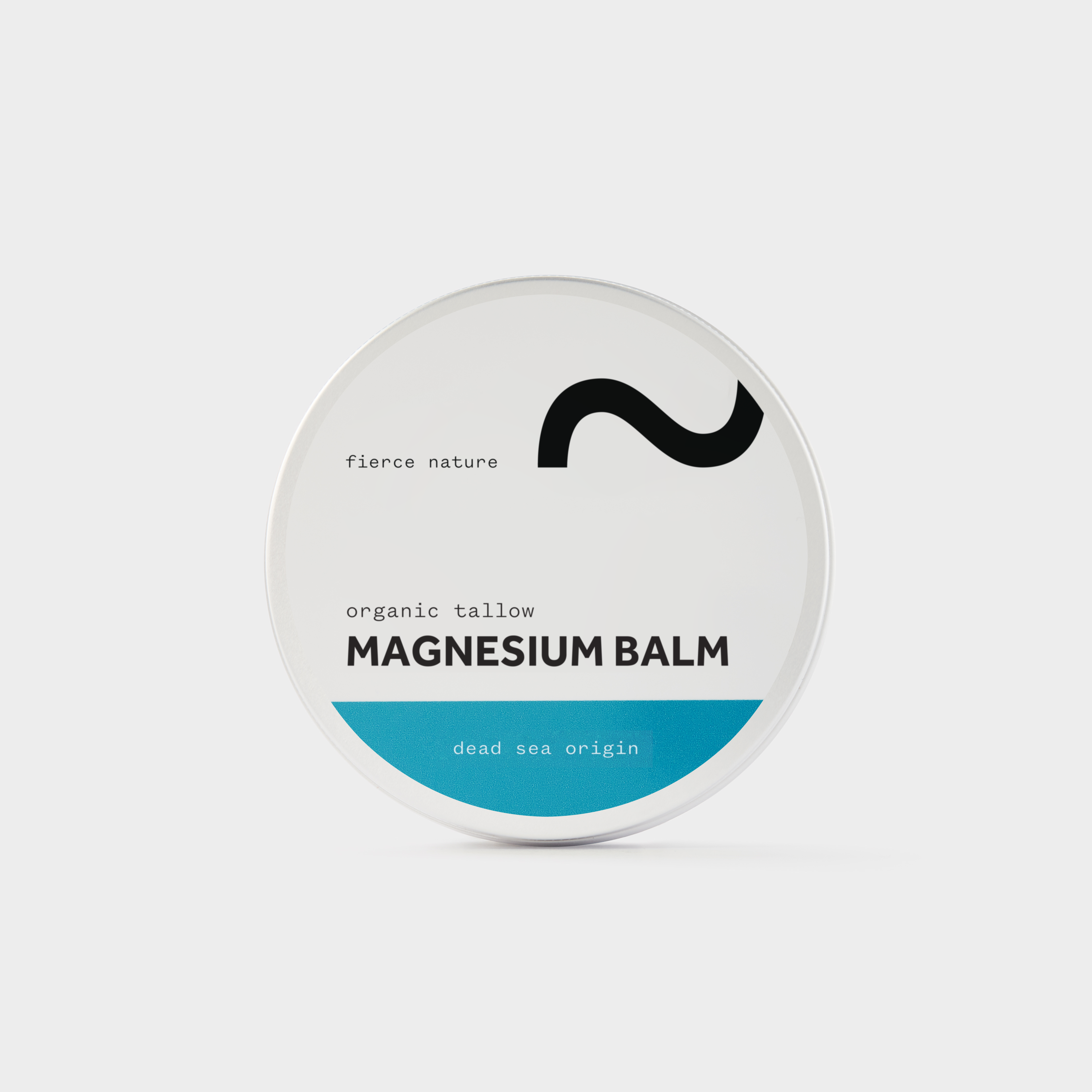
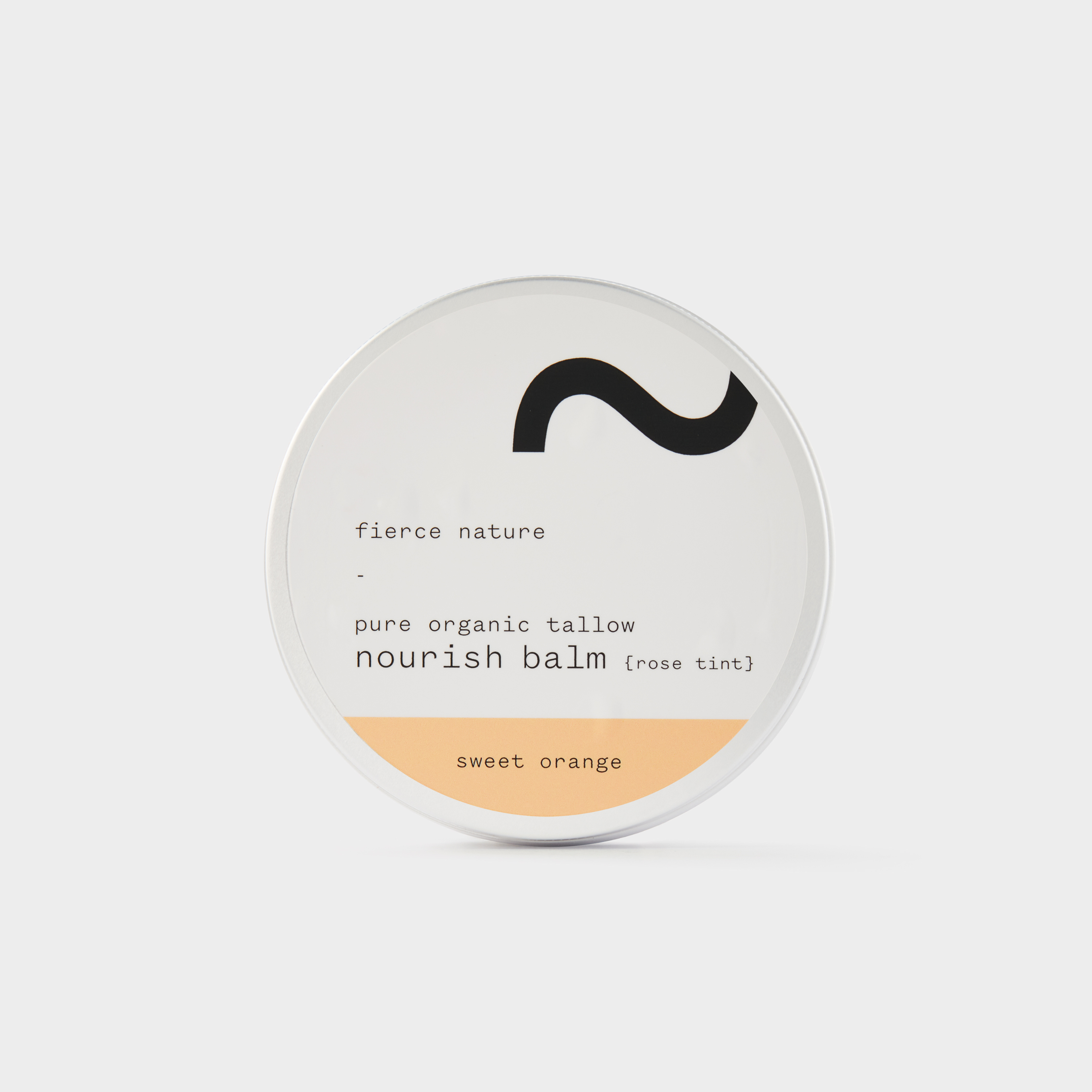
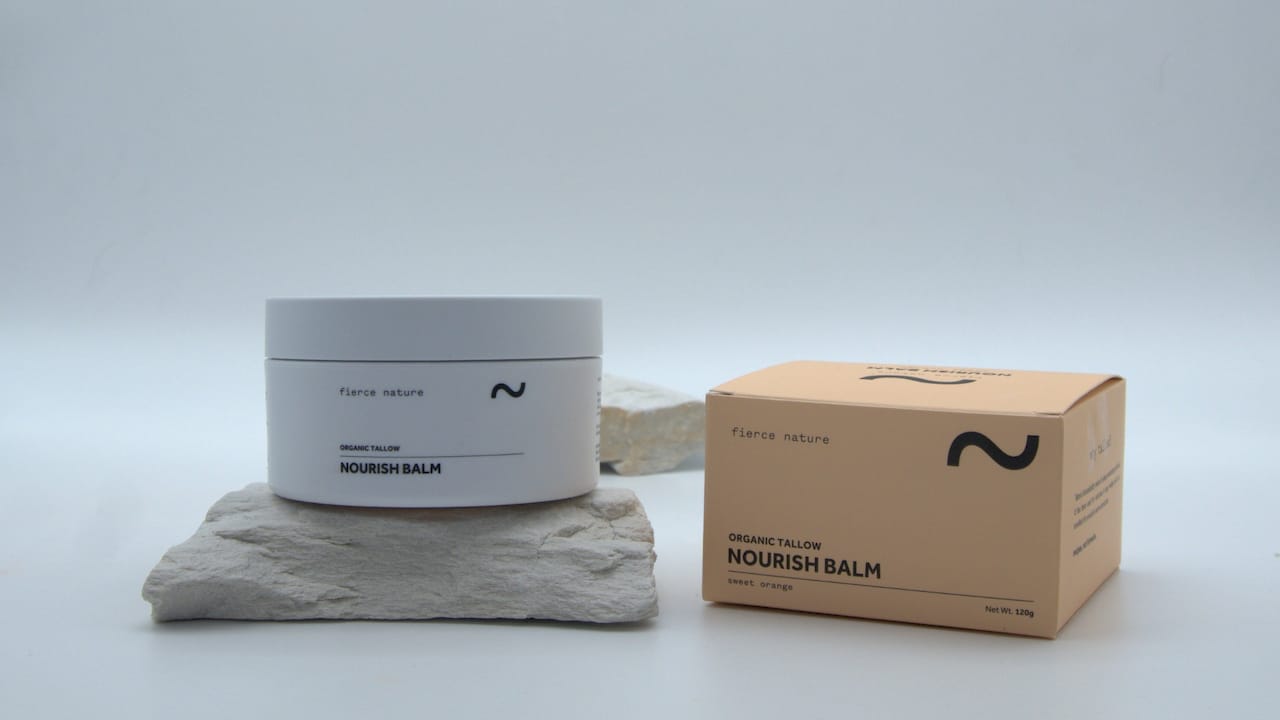
Ethical sourcing also carries environmental weight. Local procurement reduces transport emissions, and working with small-scale growers supports sustainable land practices. At Fiercenature, our organic nourish balm reflects this commitment, using ingredients chosen for both their skin benefits and their provenance.
Commercial skincare products frequently contain water as their primary ingredient, padded out with silicones, synthetic emulsifiers, and film-forming polymers that create the illusion of nourishment without delivering it. These ingredients make products feel luxurious on application but provide little lasting benefit to skin health.
Handmade formulations, particularly anhydrous balms and tallow-based products, are built from concentrated, functional ingredients from the first drop to the last. Tallow, which Fiercenature uses as the foundation of its range, is composed of fatty acids that closely mirror the lipid profile of human sebum. This structural similarity gives it deep penetrating properties that synthetic emollients simply cannot replicate.
The absence of synthetic fillers also means that a smaller amount of product delivers more noticeable results. You are not applying a diluted formula; you are applying concentrated skin food. This is particularly relevant for dry, dehydrated, or compromised skin that needs genuine lipid replenishment rather than a surface-level moisture barrier.
Handmade does not automatically mean safe for every skin type, and this is a point worth addressing honestly. Natural fragrances, however appealing, carry real sensitisation risks. Patch test data from 2014 to 2025 show 1.6% positive reactions to hydroperoxides of limonene and 3.1% to linalool. These are fragrance compounds found in many natural products, including citrus and lavender-scented formulations. That means a meaningful proportion of people with sensitive skin will react to naturally scented products regardless of how carefully they are made.
Co-reactivity between fragrance allergens supports true allergenicity risk, requiring careful ingredient assessment for allergy-prone consumers. The good news is that a well-designed natural formulation can be both effective and gentle. A 2026 cosmetic stability study found that a natural botanical formulation showed no erythema or oedema in sensitive-skin volunteers and demonstrated measurable anti-inflammatory activity through reduced IL-1α. This confirms that formulation quality, not just ingredient origin, determines tolerability.
What to look for when assessing a handmade product for allergy risk:
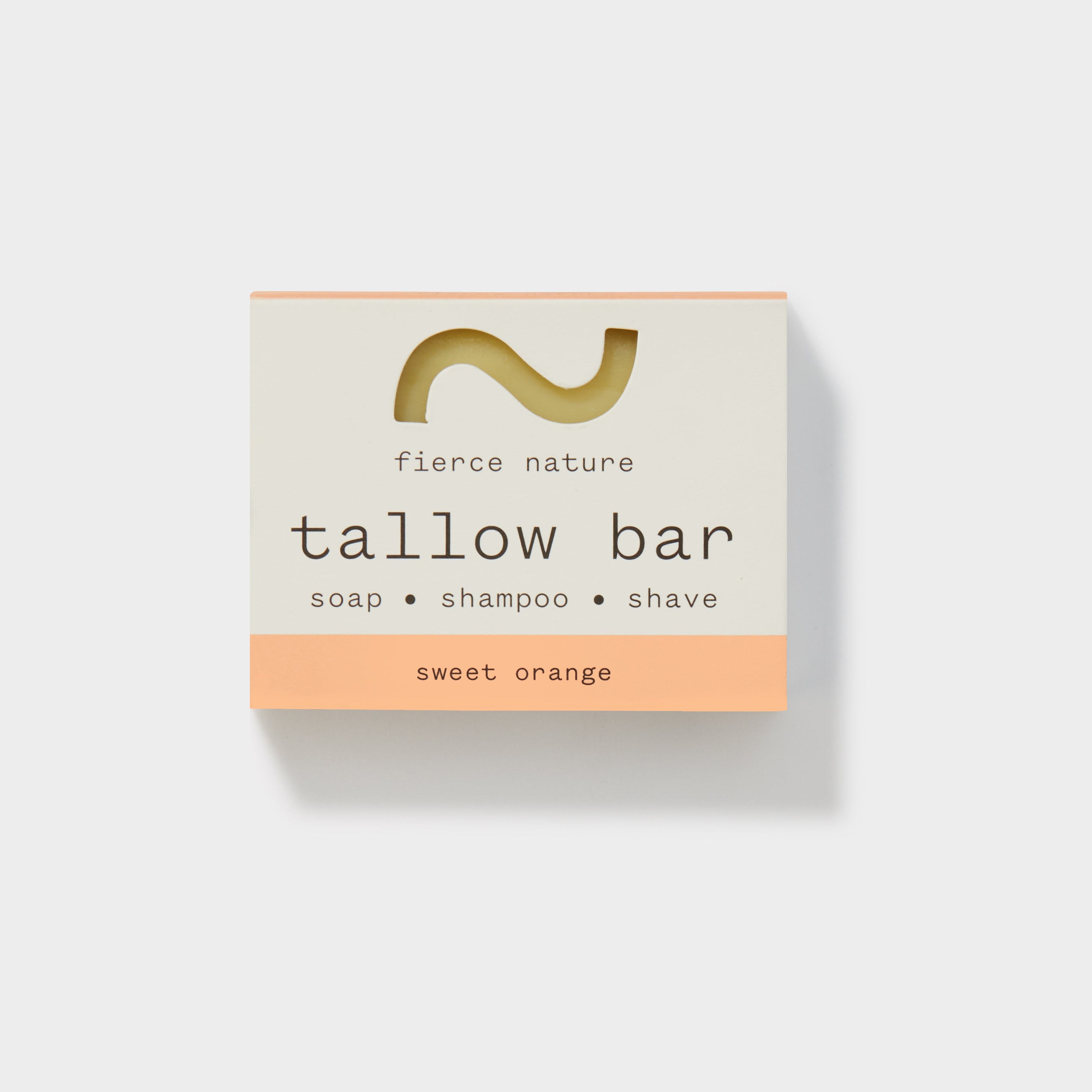
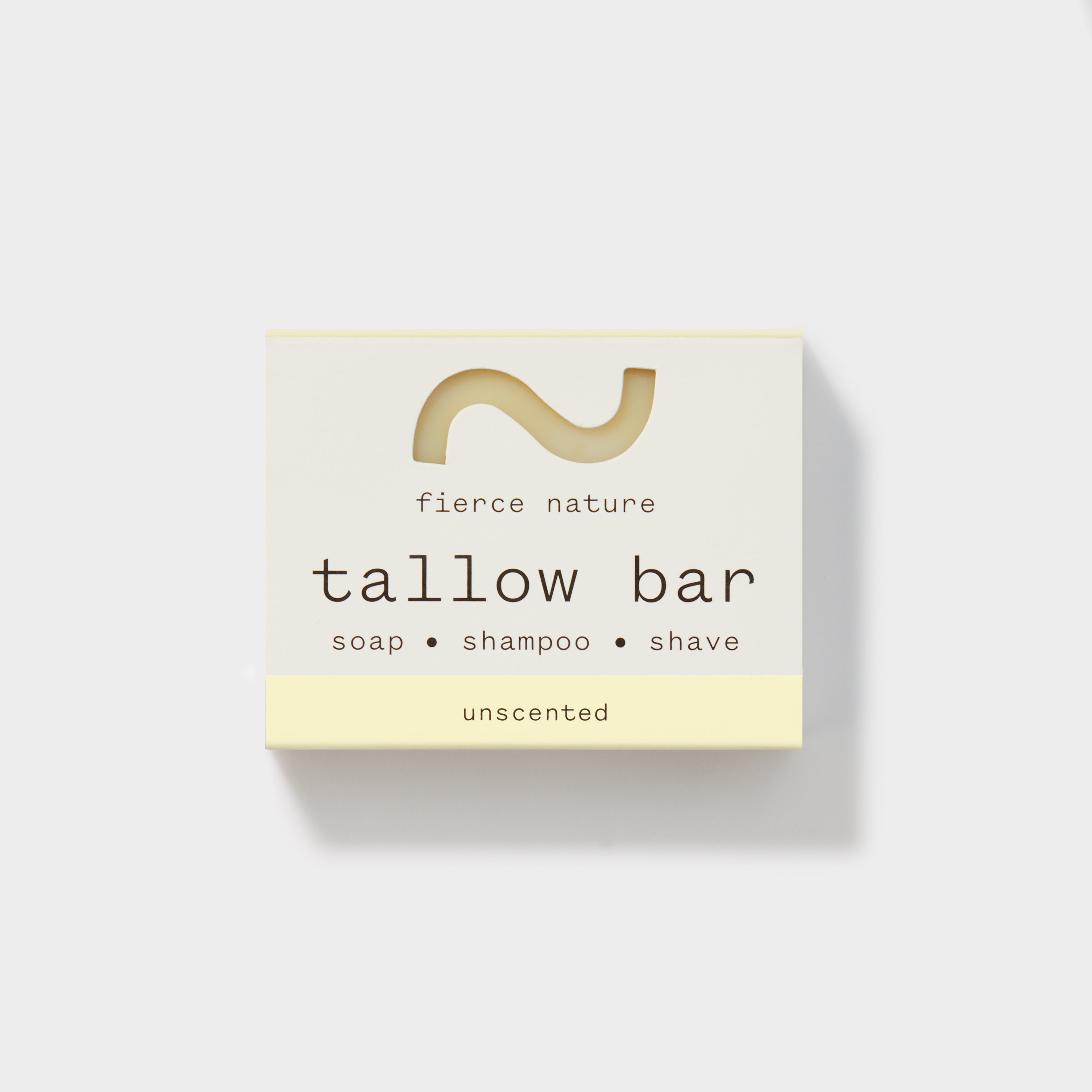
Fragrance status: Choose fragrance-free or unscented options if you have reactive skin. Fiercenature’s unscented tallow bar is formulated specifically for this reason.
Ingredient list length: Shorter lists with recognisable ingredients are easier to assess for personal triggers.
Oxidation risk: Citrus-derived ingredients and lavender oil oxidise over time, increasing sensitisation potential. Check manufacture dates.
Patch test results: Reactions to limonene and linalool typically peak around day three or four, so a 48-hour patch test may not be sufficient.
Pro Tip: Perform a patch test on the inside of your wrist or behind your ear for at least 72 hours before applying a new handmade product to your face. This gives fragrance allergens enough time to produce a visible reaction if one is going to occur.
Small-batch handmade skincare carries a significantly lower environmental footprint than mass production, reducing transport emissions and manufacturing waste. This is not a minor distinction. Industrial cosmetic manufacturing involves large-scale chemical processing, extensive water use, and global logistics chains that accumulate carbon at every stage.
Here is how small-batch production reduces environmental impact across the production cycle:
Local sourcing reduces transport emissions. When ingredients are sourced regionally and products are made and sold within the same country, the carbon cost of shipping is a fraction of that associated with globally distributed supply chains.
Small batches generate less waste. Mass production creates surplus stock that expires unsold and ends up in landfill. Handmade makers produce to order or in small quantities, reducing this waste substantially.
Minimal and natural packaging. Artisanal brands frequently use glass, aluminium, or recycled materials rather than multi-layer plastic packaging designed for retail shelf appeal.
Support for sustainable harvesting. Small-scale ingredient suppliers are more likely to practise sustainable land management than large commodity producers, because their livelihoods depend on the long-term health of the land.
No large-scale chemical processing. Cold-pressing, raw extraction, and low-heat infusion methods used in handmade production avoid the solvent-based refining processes that generate chemical waste in industrial manufacturing.
One of the quieter advantages of handmade skincare is the ability to formulate for specific skin concerns rather than for the broadest possible market. Commercial products are designed to appeal to the widest demographic, which means they are rarely optimised for any individual skin type.
Artisanal makers can adjust oil ratios, active concentrations, and texture to suit dry, oily, combination, or sensitised skin. A handmade balm for someone with eczema-prone skin will look very different from one designed for normal skin, even if both use the same base ingredients. This level of specificity is simply not economical at industrial scale.
Formulation quality and concentration determine outcomes more than natural versus synthetic labels. This is the honest truth that separates informed natural skincare choices from marketing-driven ones. A well-formulated handmade product with the right active concentrations will outperform a poorly formulated natural product every time. Customisation only delivers results when the formulation chemistry is sound.
Choosing handmade skincare is also a vote for a different kind of economy. Every purchase from an artisanal maker supports a small business, often a sole trader or micro-enterprise, rather than contributing to the revenue of a multinational corporation. This has tangible effects on local employment, craft knowledge, and community resilience.
At Fiercenature, every product is handmade and crafted in the UK. The vanilla whipped body balm and the full range of tallow-based skincare are made in small batches by people who care deeply about what goes into each jar. That human element is not sentimental. It translates directly into quality control, ingredient attention, and the kind of care that industrial production lines cannot replicate.
Handmade skincare delivers its most significant benefits through freshness, ingredient quality, and gentler preservation systems that support rather than disrupt your skin’s natural balance.
| Point | Details |
|---|---|
| Freshness preserves potency | Small-batch production limits oxidation, keeping unstable actives like vitamin C effective at the point of use. |
| Gentler preservation supports microbiome | Natural preservation systems are less disruptive to skin microbiome balance than synthetic preservatives in commercial products. |
| Ingredient sourcing determines quality | Cold-pressed, traceable ingredients retain more phytochemicals and anti-inflammatory compounds than refined alternatives. |
| Natural fragrance carries allergy risk | Limonene and linalool hydroperoxides cause contact reactions in a measurable proportion of users; fragrance-free options reduce this risk. |
| Small-batch production reduces environmental impact | Local sourcing, minimal waste, and natural packaging give handmade skincare a lower carbon footprint than mass production. |
By Ralph Barrozo
After years of working with natural skincare formulations and watching the clean beauty conversation evolve, the belief I find most worth challenging is the idea that natural automatically means gentle. It does not. Oxidised citrus oils and lavender-derived linalool are entirely natural, and they are also among the more common contact allergens in skincare. The patch test data on limonene and linalool hydroperoxides makes this clear, and yet the marketing around natural products rarely mentions it.
What I have found genuinely useful is shifting the question from “is it natural?” to “is it well-formulated?” A handmade tallow balm with a short, traceable ingredient list and no added fragrance is a genuinely excellent choice for sensitive or reactive skin. A handmade product loaded with essential oils and citrus extracts may be beautifully made and still cause a reaction in someone with fragrance sensitivity.
The advantages of handmade skincare are real and worth choosing for. Freshness, ingredient quality, transparency, and environmental responsibility are all legitimate reasons to move away from commercial products. But those benefits are best realised when you read the ingredient list, patch test new products, and choose makers who are honest about what their formulations can and cannot do. Artisanal skincare as a lifestyle choice is genuinely rewarding. Going in with clear eyes makes it even more so.
— Ralph Barrozo
Fiercenature was built on the belief that your skin deserves ingredients from the land, not the lab. Every product in the range is handmade in the UK using pure organic tallow and naturally sourced botanicals, with full ingredient transparency and no synthetic fillers. If you are ready to build a genuinely nourishing routine, the natural skincare routine guide walks you through each step with product recommendations suited to your skin’s needs. For those with little ones at home, the non-toxic baby skin essentials collection offers the same gentle, tallow-based care formulated specifically for sensitive, delicate skin.
Handmade skincare is produced in small batches with natural ingredients and shorter supply chains, which preserves the potency of unstable actives and reduces the need for aggressive synthetic preservatives. Commercial products are formulated for long shelf life and mass appeal, often at the cost of ingredient quality and microbiome compatibility.
Well-formulated, fragrance-free handmade products can be excellent for sensitive skin, but natural does not guarantee safety. Fragrance allergens such as limonene and linalool hydroperoxides cause contact reactions in a measurable proportion of users, so patch testing and choosing unscented formulations reduces risk significantly.
Formulation quality and ingredient concentration determine outcomes more than the natural versus commercial distinction. A handmade product with fresh, high-quality actives and sound formulation chemistry will outperform a diluted commercial product, but a poorly formulated natural product will not deliver results regardless of its ingredients.
Tallow is composed of fatty acids that closely mirror the lipid profile of human sebum, giving it a natural affinity with skin that allows deep penetration and genuine nourishment. It has been used for centuries as a skin emollient and remains one of the most bioavailable ingredients available in natural skincare.
Look for full ingredient disclosure, named ingredient origins, cold-pressed or unrefined processing methods, appropriate packaging that protects actives from light and air, and a manufacturer who is transparent about shelf life and preservation methods. Short ingredient lists with recognisable components are a reliable indicator of formulation integrity.


