Cart
0
80% Also Added this




TL;DR:
- The UK clean beauty standards checklist is based on legal labelling and ingredient restrictions, emphasizing transparency over marketing claims. Significant 2026 updates lowered formaldehyde warning thresholds and banned certain CMR substances, making compliance more stringent. Consumers should verify labels, responsible person details, and ingredient lists to ensure genuine product safety and adherence to regulation.
The UK clean beauty standards checklist is a set of legally mandated criteria covering ingredient transparency, safety assessments, and label compliance that gives you a verifiable way to assess any cosmetic product beyond marketing language. “Clean beauty” is not a legally defined term in the UK. The real standard is set by UK cosmetics regulation, specifically the requirements carried forward from Regulation (EC) No 1223/2009 and updated by SI 2026/23. Two significant changes took effect in 2026: the formaldehyde-releasing preservative warning threshold dropped from 0.05% to 0.001% from 15 July, and a new set of CMR (carcinogenic, mutagenic, or toxic for reproduction) substances were banned from 15 August. These updates make 2026 the most important year in recent memory for UK consumers who want to shop with genuine confidence. This guide gives you a practical, regulation-grounded checklist to use at the shelf or on your screen.

The UK clean beauty standards checklist is grounded in legal labelling and ingredient compliance, not brand storytelling. UK beauty product standards require every cosmetic sold in Great Britain to pass a documented safety assessment and carry specific label information before it reaches a shelf. This is your baseline. Any product that cannot meet these criteria has no credible claim to being “clean,” regardless of how its packaging reads.
The checklist covers five core areas: mandatory label elements, ingredient restrictions and prohibitions, the interpretation of marketing claims, practical verification steps, and the use of third-party certifications as a complementary resource. Each area maps directly to something you can check yourself, without specialist knowledge. The sections below walk through each one in detail.
One important geographical note: distinct regulatory frameworks apply to Great Britain and Northern Ireland. Northern Ireland remains aligned to EU rules, while Great Britain follows the UK Cosmetics Regulation. If you are shopping across both regions, the compliance baseline can differ, so always check which framework applies to the product you are holding.
The label is your first and most reliable source of truth. Mandatory labelling under UK law requires that all text be indelible, legible, and visible. If you are squinting at pale grey text on a white background, that is already a compliance concern worth noting.
Here is what every compliant product label must include:
Ingredient list: The word “Ingredients” must appear before the full list, written in International Nomenclature of Cosmetic Ingredients (INCI) format. Ingredients are listed in descending order of concentration. This is the single most useful section for your clean beauty assessment.
Responsible Person details: A UK-based name and physical address must appear on the label. This is the entity legally accountable for the product’s safety and compliance. A PO box or overseas address only is a red flag.
Date of minimum durability or PAO symbol: Products with a shelf life of 30 months or less must carry a “best before” date. Products lasting longer carry the Period After Opening (PAO) symbol, an open jar icon with a number indicating months of safe use after opening.
Batch code: A traceability number linking the product to its manufacturing batch. This allows recall tracing and is a legal requirement, not optional.
Warnings and special instructions: These include any legally mandated cautions, such as formaldehyde-releasing preservative notices, which we cover in detail in the next section.
Pro Tip: Photograph the ingredient list and batch code before you buy, particularly for online purchases. If a product is later recalled or reformulated, you will have a record of exactly what you purchased.
Ingredient law is where UK clean beauty standards have changed most significantly this year. Two updates from 2026 directly affect what you should be looking for on any product you buy.
Formaldehyde-releasing preservative warning threshold lowered. From 15 July 2026, the concentration at which a product must carry a “releases formaldehyde” warning label dropped from 0.05% to 0.001%. This is a fifty-fold reduction. It means products that previously required no warning may now legally need one, and any product on shelf without an updated label could be non-compliant. Common formaldehyde-releasing preservatives include DMDM Hydantoin, Imidazolidinyl Urea, and Quaternium-15. If you see these in an ingredient list, check for the corresponding warning.
New CMR substance bans effective August 2026. From 15 August 2026, UK SI 2026/23 prohibits a new set of CMR substances in cosmetics sold in Great Britain. CMR stands for carcinogenic, mutagenic, or toxic for reproduction. These are among the most serious hazard classifications in chemical safety. Transition rules apply to existing stock, which means products manufactured before the ban date may still appear on shelves for a period. Checking the batch code and manufacture date helps you identify whether a product predates the new restrictions.
The significance of checking against updated lists. The UK’s prohibited and restricted ingredient lists are living documents. Ingredient-by-ingredient verification against these lists is the most durable approach to product safety, because marketing claims do not update when regulations change. The Office for Product Safety and Standards (OPSS) publishes the current UK list, and resources like the EWG Skin Deep database provide a useful cross-reference for consumer-facing research.
“The lowering of the formaldehyde warning threshold from 0.05% to 0.001% is not a minor technical adjustment. It reflects a fundamental shift in how regulators assess acceptable risk communication for consumers.”
“Clean,” “non-toxic,” and “free-from” are the three most common claims on beauty packaging in the UK. None of them carry a fixed legal definition. This is not a minor caveat. It means a brand can label a product “clean” while it contains ingredients that are restricted, borderline, or simply unstudied for long-term safety.
The UK clean beauty concept is marketing-driven. Legal safety and labelling standards provide the only verifiable baseline for consumer protection. This distinction matters because it shifts the burden of verification back to you as the shopper, rather than allowing you to rely on front-of-pack language.
Here is how to read common claims critically:
“Free-from” claims: “Free-from” claims in the UK are not regulated with fixed definitions. A product labelled “paraben-free” may still contain other preservatives with equivalent or greater concerns. Always read the full ingredient list rather than relying on the claim.
“Natural” or “organic” claims: These terms have no single legal standard in UK cosmetics law. COSMOS certification, issued by organisations including the Soil Association in the UK, provides a third-party verified standard for organic and natural cosmetics. It is a useful signal, but it is not a replacement for checking the full ingredient list against prohibited substances.
“Non-toxic” claims: This phrase has no regulatory definition in UK cosmetics law. Every cosmetic sold legally in the UK must pass a safety assessment, so technically all compliant products are assessed for safety. The claim adds no additional verified information.
Certifications as complementary tools: COSMOS, EWG Verified, and Leaping Bunny each assess different aspects of a product’s formulation and supply chain. They are useful filters, particularly for consumers who want to go beyond the legal minimum. However, none of them replace the UK regulatory compliance checks outlined in this guide.
Pro Tip: When a brand uses multiple “free-from” claims prominently on the front of pack, turn it over and read the ingredient list. The back of the label is where compliance lives.
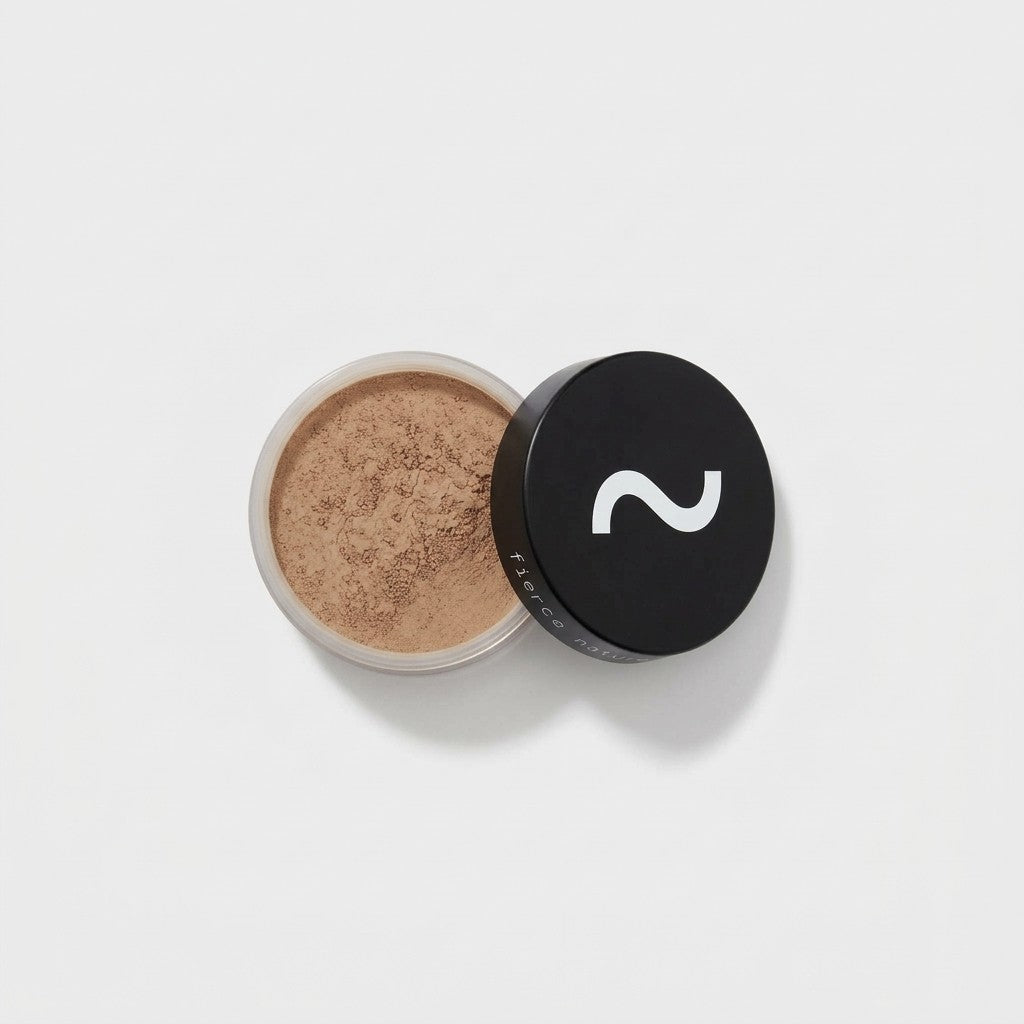
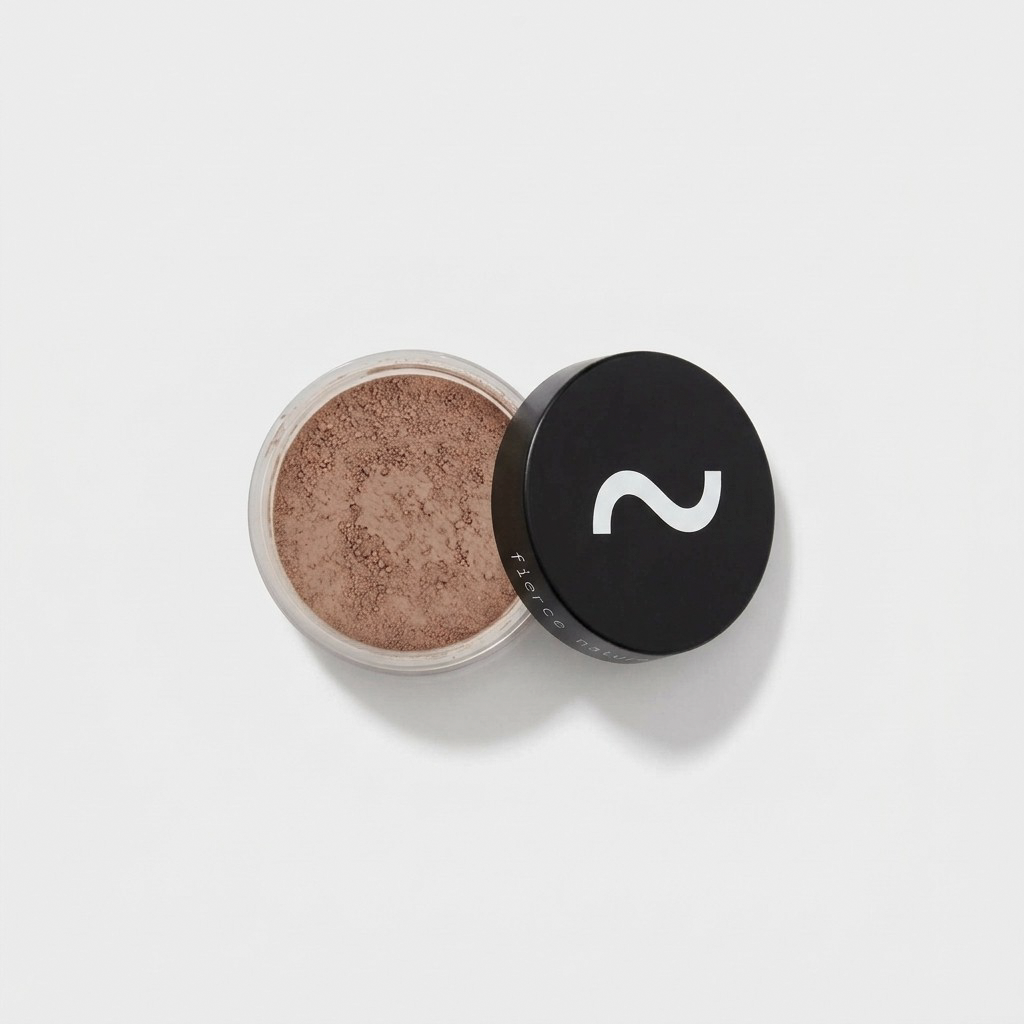
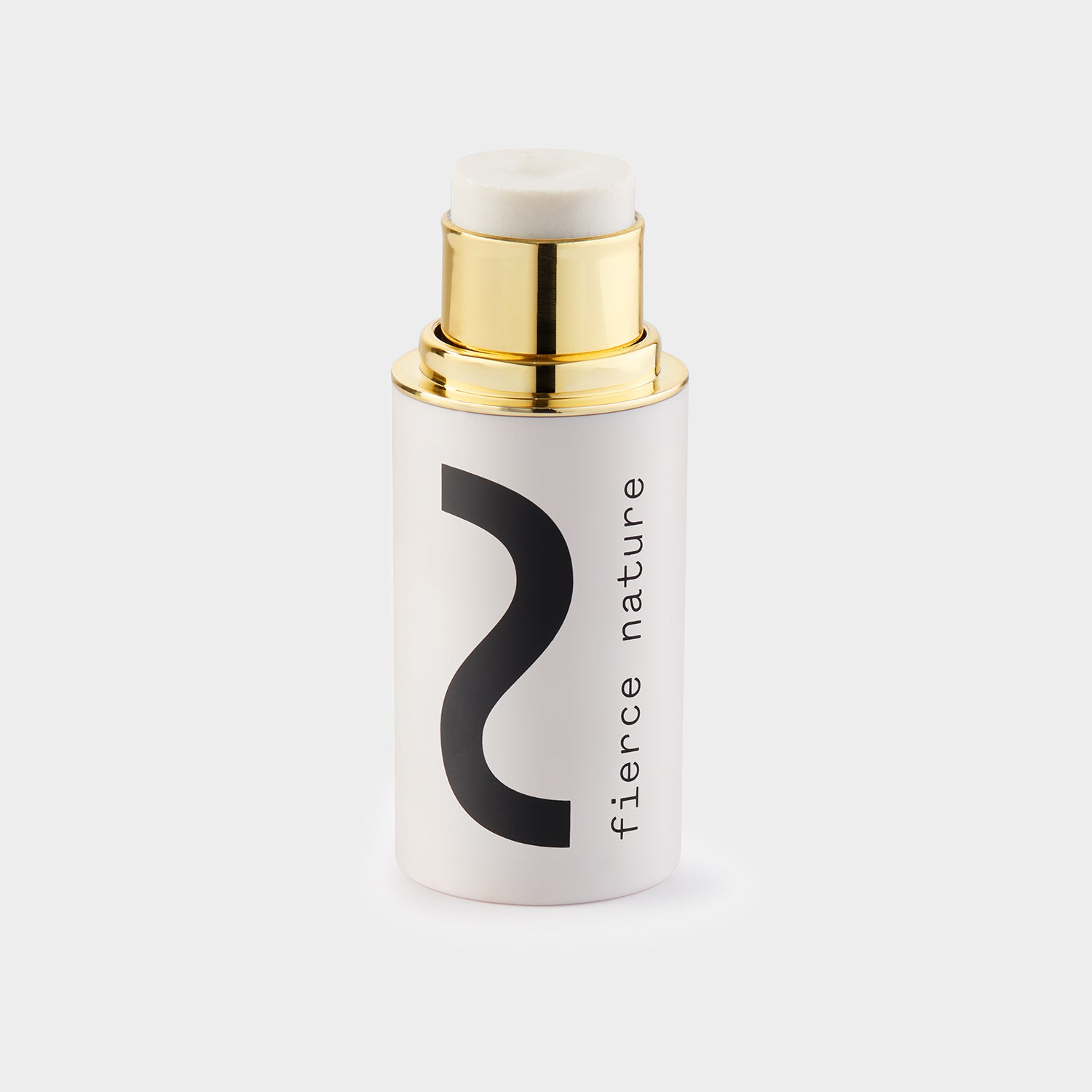
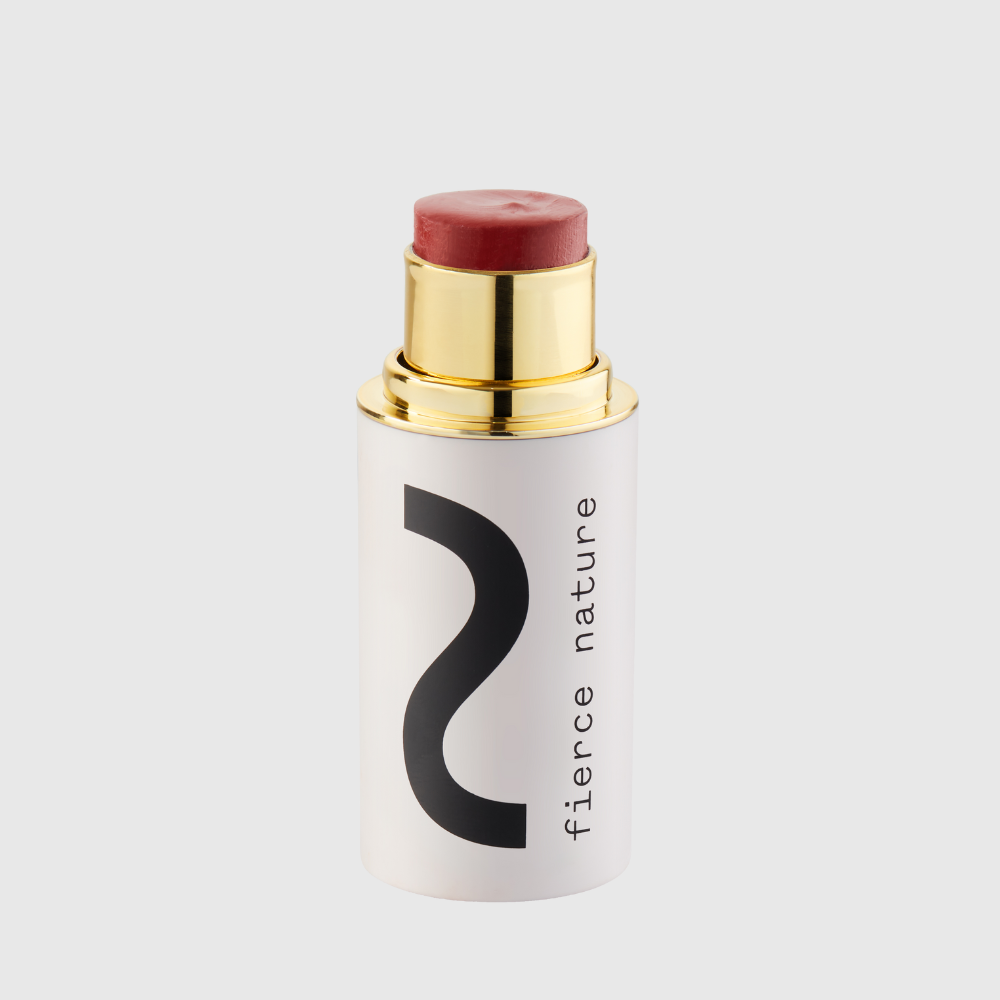
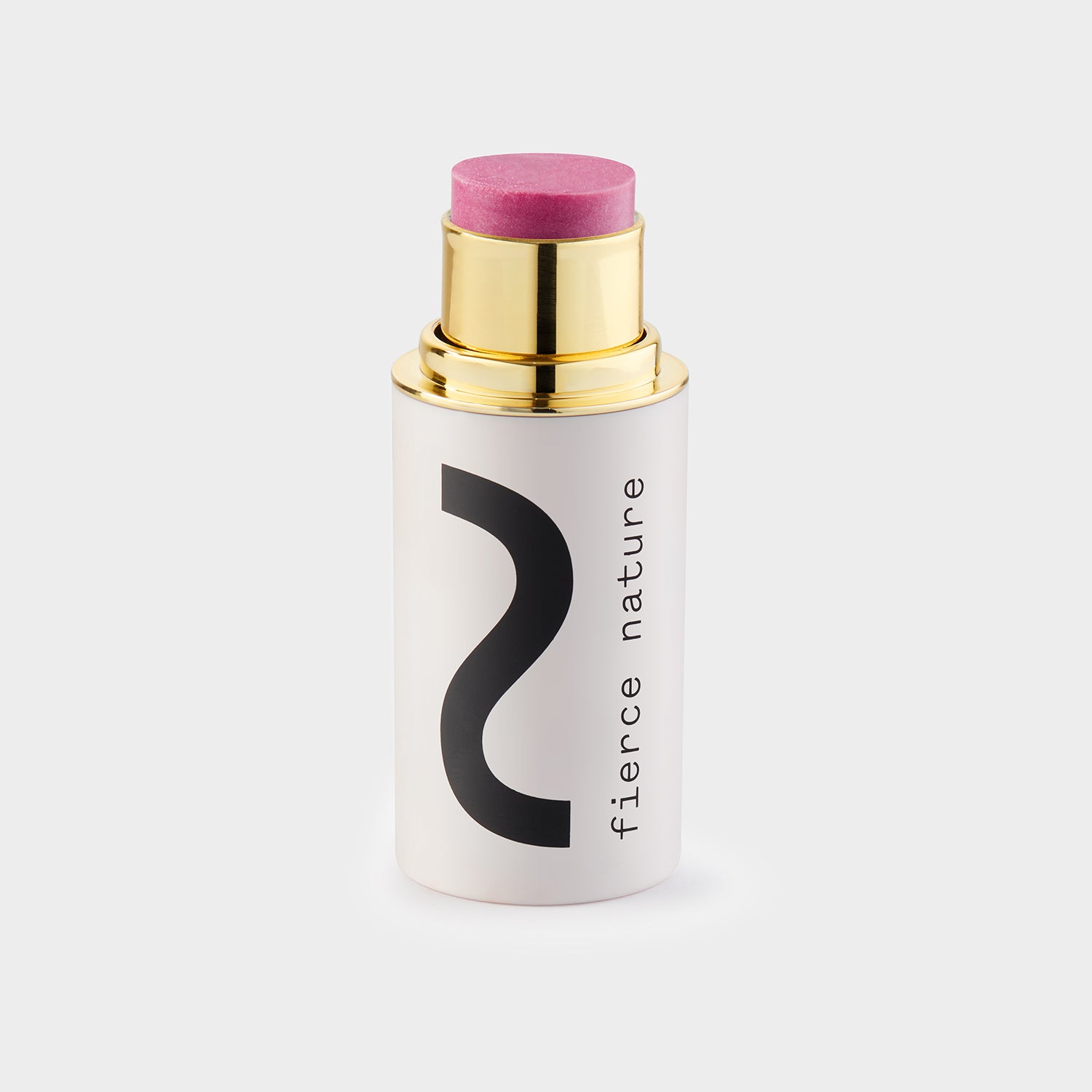
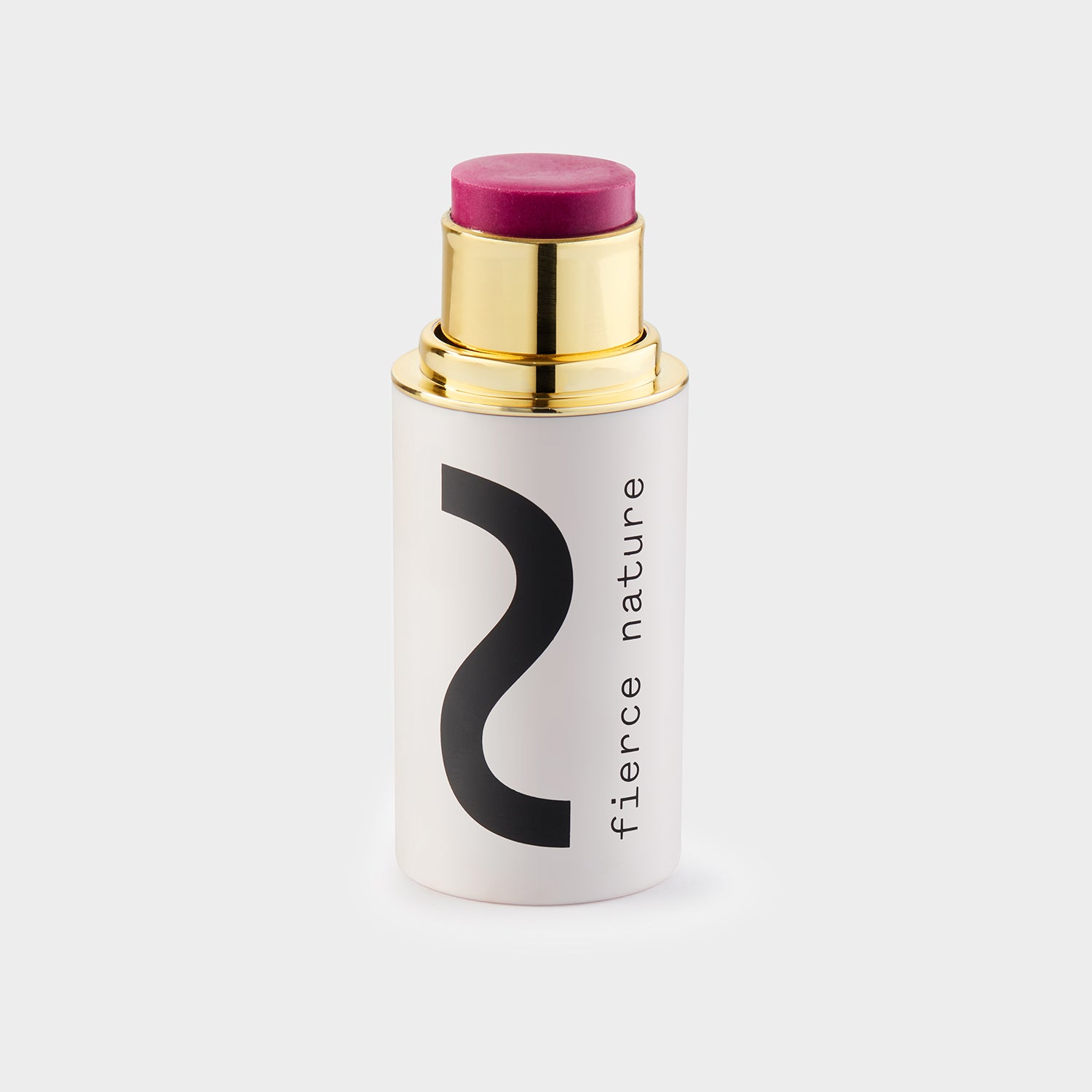
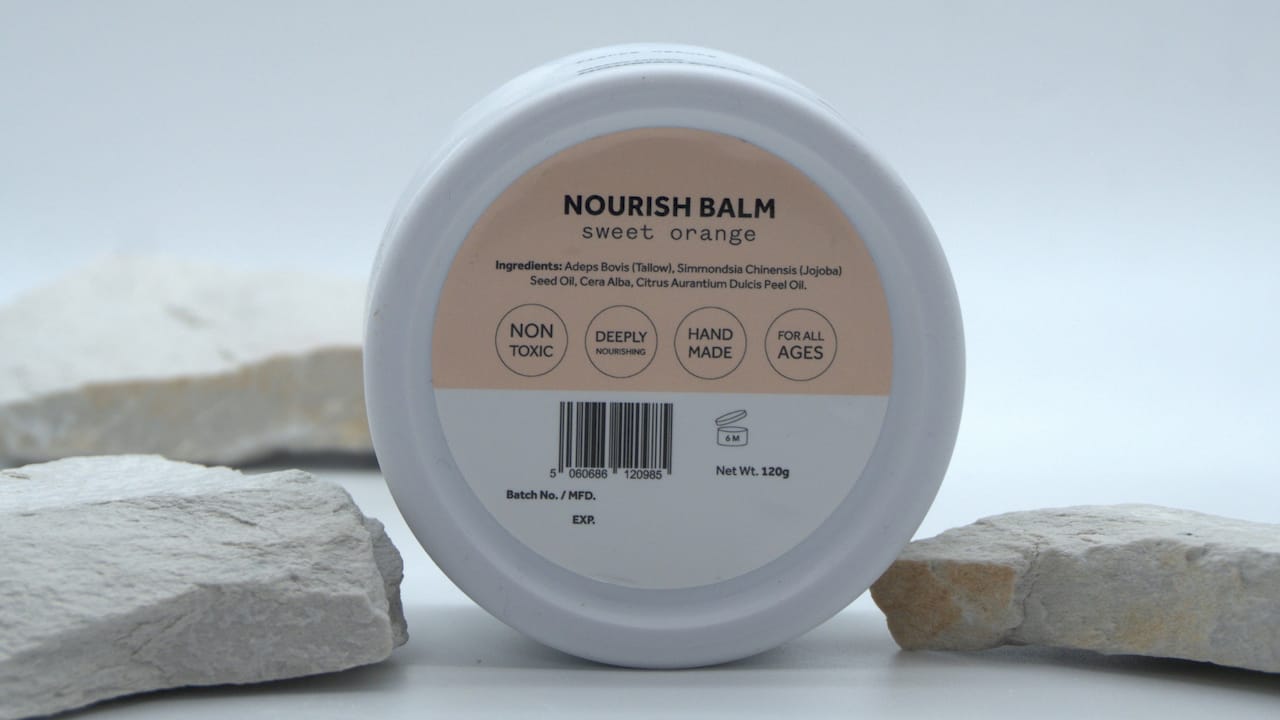
Fiercenature’s skin tints are a good example of what transparent labelling looks like in practice. The ingredient list is complete, the responsible person details are present, and the formulation is built on tallow and naturally sourced ingredients rather than synthetic fillers dressed up in clean-sounding language.
This is the section to bookmark. The steps below translate everything covered so far into a practical, repeatable process you can use for any product, whether you are shopping in a health food store, a pharmacy, or online.
| Check | What to look for | Pass or flag |
|---|---|---|
| Ingredient list present | Word “Ingredients” followed by full INCI list | Pass if present and legible |
| Responsible Person details | UK name and physical address on label | Flag if absent or overseas only |
| Formaldehyde warning | “Releases formaldehyde” notice if applicable | Flag if formaldehyde-releasers present without warning |
| CMR substances | Cross-reference against UK SI 2026/23 banned list | Flag if any newly prohibited substance appears |
| Batch code | Traceability number present on packaging | Flag if absent |
| Date or PAO symbol | Best before date or open-jar symbol with months | Flag if neither is present |
| Reformulation signal | Updated label or manufacture date post-August 2026 | Prefer products with post-2026 compliance dates |
Pro Tip: Use the INCI Beauty app or the EWG Skin Deep database to cross-reference ingredients quickly on your phone while you shop. Neither replaces the UK prohibited list, but both flag commonly restricted substances in seconds.
Follow these steps in order:
Find the ingredient list and confirm it is preceded by the word “Ingredients” in legible, indelible text.
Scan for formaldehyde-releasing preservatives (DMDM Hydantoin, Imidazolidinyl Urea, Quaternium-15, Diazolidinyl Urea). If present, check for the “releases formaldehyde” warning. A product manufactured after 15 July 2026 without this warning is non-compliant.
Cross-reference the ingredient list against the UK SI 2026/23 CMR banned substances. The Cosmeservice summary is a readable consumer resource for this.
Locate the Responsible Person name and UK physical address. If this information is absent or only an overseas address is given, the product’s compliance accountability is unclear.
Check for a batch code. No batch code means no traceability in the event of a recall.
Confirm the durability date or PAO symbol is present.
Reformulated products with updated labelling after 2026 are more likely to reflect current ingredient bans. Prefer these where you have a choice.
Use COSMOS certification or EWG Verified status as a supplementary signal, not a primary verification.
For a practical starting point in building a toxin-free skincare routine, applying this checklist to each product you currently use is the most grounding first step.
The most reliable UK clean beauty standards checklist is built on verifiable label elements and 2026 ingredient restrictions, not marketing claims.
| Point | Details |
|---|---|
| Legal labelling is your baseline | Every compliant product must carry an ingredient list, Responsible Person details, batch code, and durability information. |
| 2026 brought two critical changes | The formaldehyde warning threshold dropped to 0.001% and new CMR substances were banned from August 2026. |
| Marketing claims are unregulated | “Clean,” “free-from,” and “non-toxic” have no fixed legal definitions in UK cosmetics law. |
| Certifications complement, not replace | COSMOS and EWG Verified are useful filters but do not substitute for checking the UK prohibited ingredient list. |
| Reformulated products signal compliance | Products with updated labels or manufacture dates post-August 2026 are more likely to meet current standards. |
I have spent years reading ingredient lists, cross-referencing regulatory updates, and watching the clean beauty conversation in the UK evolve. The uncomfortable truth is that most guides written for consumers focus on the wrong thing. They tell you which ingredients to avoid based on wellness blogs or influencer lists, rather than pointing you to the actual legal framework that governs what is and is not permitted in a product sold in Great Britain.
The 2026 regulatory updates are a perfect illustration of this gap. The formaldehyde warning threshold change is genuinely significant. A product that was technically compliant in 2025 may now require a warning label it does not carry. Most consumers have no idea this change happened. Most “clean beauty” roundups published this year have not mentioned it once.
What I find most useful in practice is treating the label as a document rather than a design element. The Responsible Person detail is particularly telling. A brand that lists a real UK address and a traceable contact is making itself accountable in a way that a brand hiding behind a PO box or a parent company overseas simply is not. That accountability is a form of transparency that no marketing claim can replicate.
The other thing worth saying plainly: certifications like COSMOS are genuinely valuable, but they are not a shortcut. They assess formulation and supply chain against a defined standard, which is rigorous and worth respecting. But they do not automatically track with every UK regulatory update in real time. Your own checklist, applied consistently, remains the most reliable tool you have.
Be critical, be curious, and be practical. The label tells you more than the front of the pack ever will.
— Ralph Barrozo
At Fiercenature, ingredient transparency is not a marketing position. Every product is handcrafted in the UK using naturally sourced ingredients, with organic tallow as the foundation. Tallow is bioavailable, deeply nourishing, and has been used as a skin emollient for centuries. It is the opposite of a synthetic filler dressed up in clean-sounding language.
You can apply the checklist in this guide directly to Fiercenature products and find everything you need: a complete ingredient list, UK Responsible Person details, and formulations built without newly prohibited substances. For families, the non-toxic baby skin essentials range offers gentle, compliant care from the very start. If you are building or refining your routine, the organic face and body balms collection is a grounded, transparent place to begin.
The UK clean beauty standards checklist is a set of label and ingredient verification steps grounded in UK cosmetics regulation, covering mandatory label elements, ingredient restrictions, and 2026 compliance updates. It gives consumers a legally anchored way to assess products beyond marketing claims.
“Clean beauty” has no fixed legal definition in UK cosmetics law. Legal compliance relies on safety assessments and mandatory label transparency, not on marketing language such as “clean,” “natural,” or “non-toxic.”
From 15 July 2026, the formaldehyde-releasing preservative warning label threshold dropped from 0.05% to 0.001%, and from 15 August 2026, new CMR substances were banned under UK SI 2026/23.
COSMOS certification verifies organic and natural formulation standards but does not automatically confirm compliance with all current UK regulatory requirements. Use it as a supplementary signal alongside your own label and ingredient checks.
The Responsible Person’s name and UK physical address must appear on the product label as a legal requirement. If this information is absent or only an overseas address is listed, the product’s compliance accountability cannot be confirmed.


