Cart
0
80% Also Added this





TL;DR:
- Grass-fed tallow is a skin moisturizer made from beef fat from animals raised on pasture, with quality depending on its source. It closely resembles human sebum and offers anti-inflammatory nutrients like omega-3 fatty acids and CLA, benefiting dry and irritated skin. Proper application and sourcing transparency are essential for safe, effective use of high-quality grass-finished tallow in skincare.
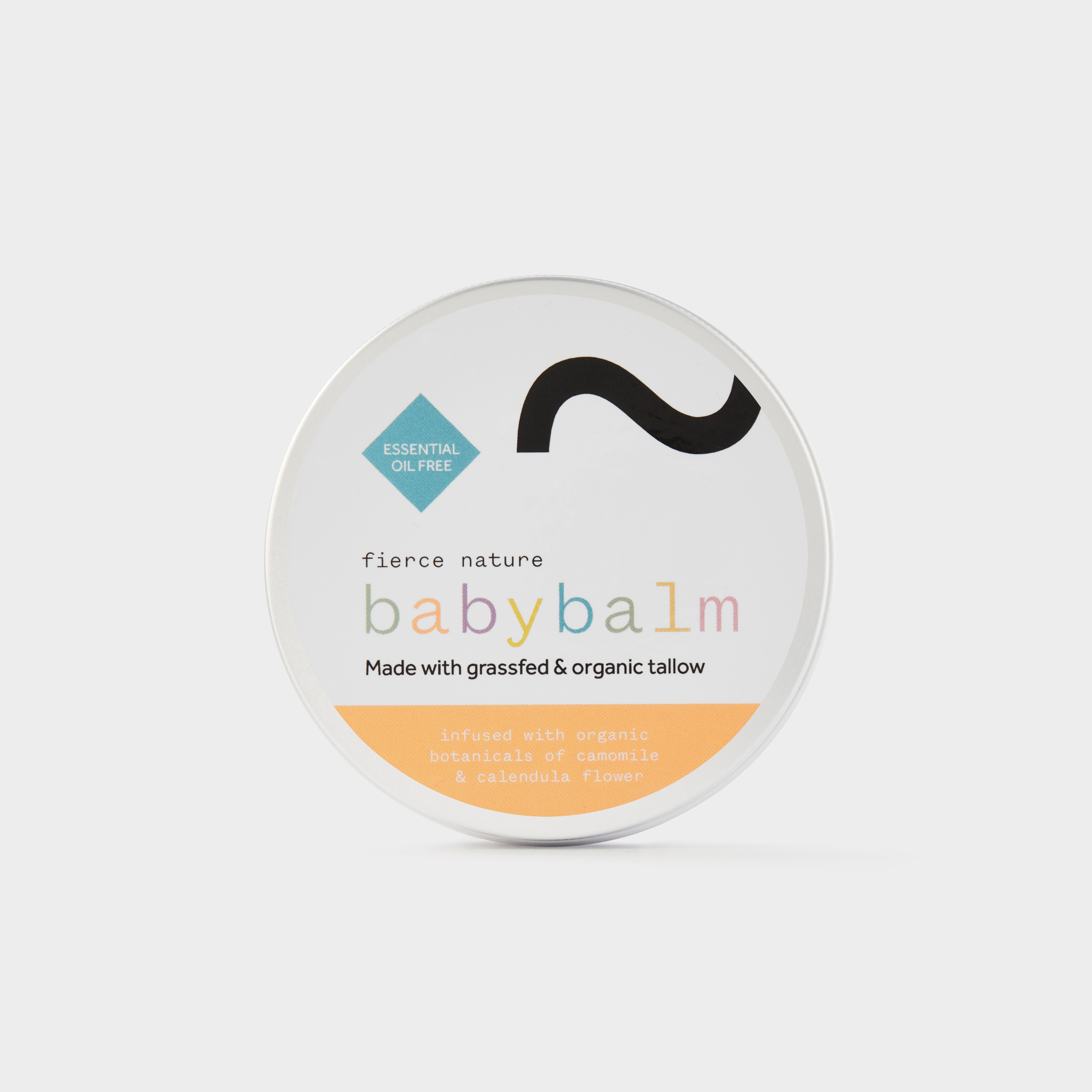
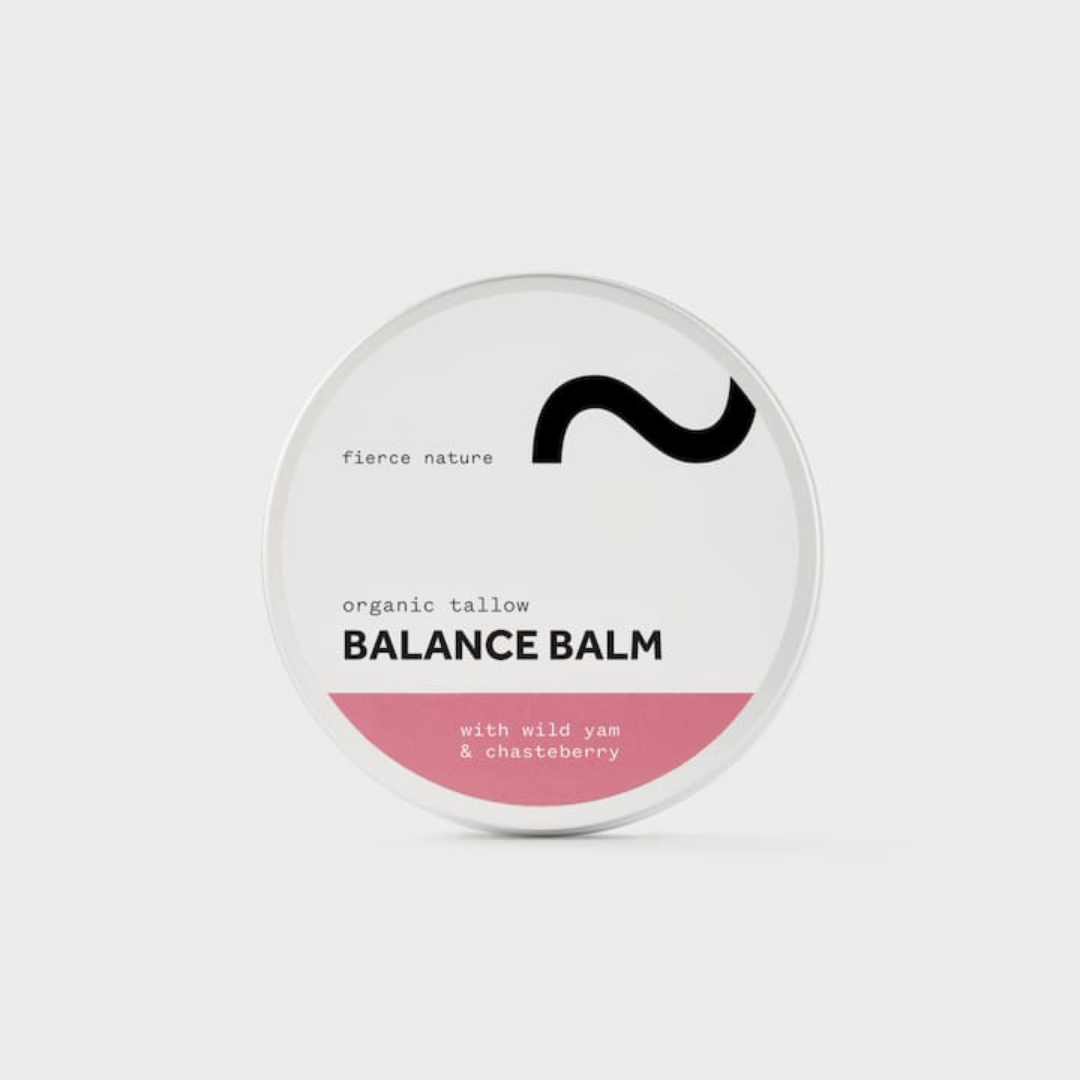
Grass-fed tallow is defined as rendered beef fat sourced from cattle raised predominantly on pasture, used in skincare as a deeply nourishing, occlusive emollient. Understanding what grass-fed tallow means in skincare matters because the source of the fat directly affects its fatty acid profile, nutrient content, and effectiveness on your skin. At Fierce Nature, we have built our entire range around this one ingredient because we believe your skin deserves food, not chemicals. Tallow has been used for centuries as a skin emollient, and when sourced correctly, it remains one of the most skin-compatible moisturisers available.
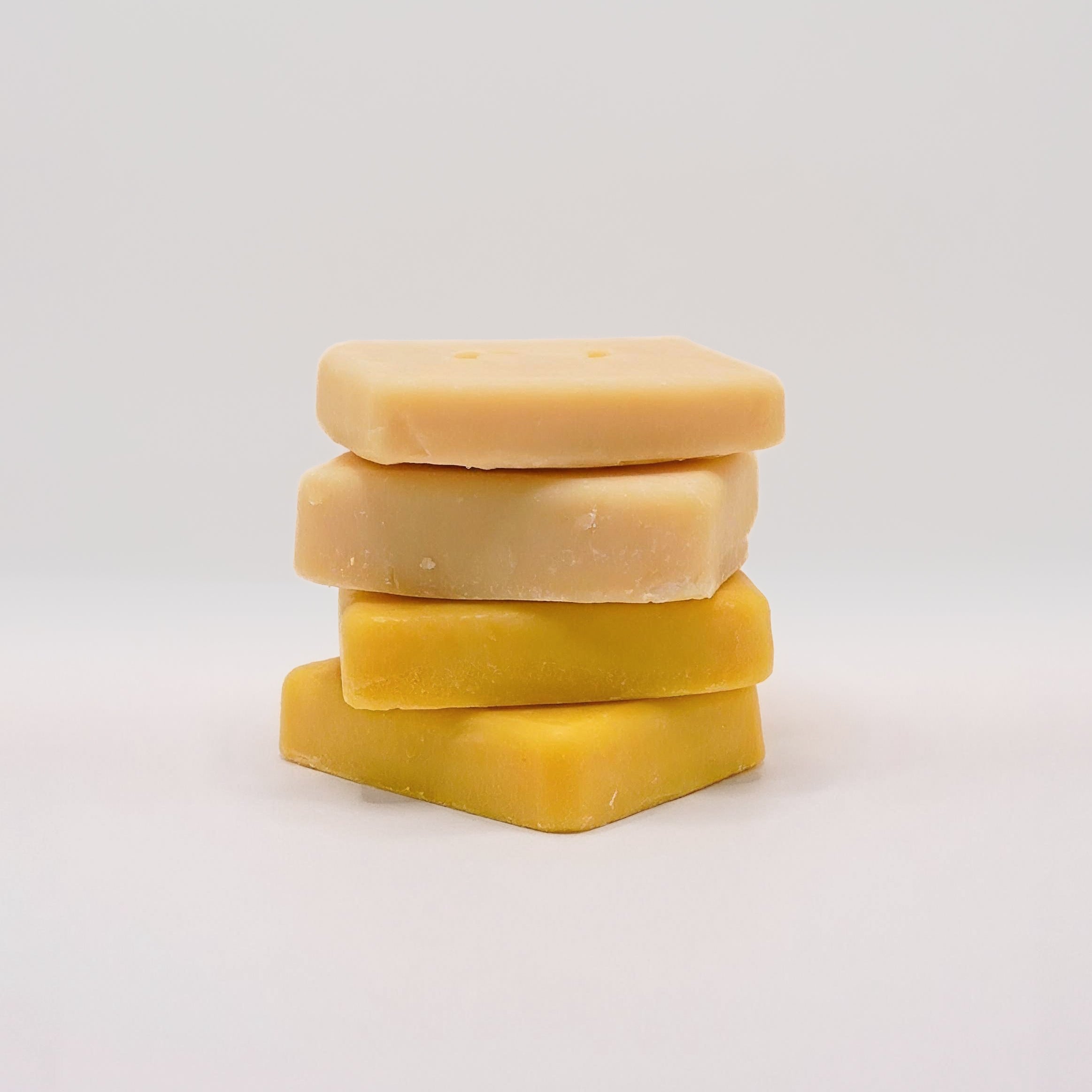
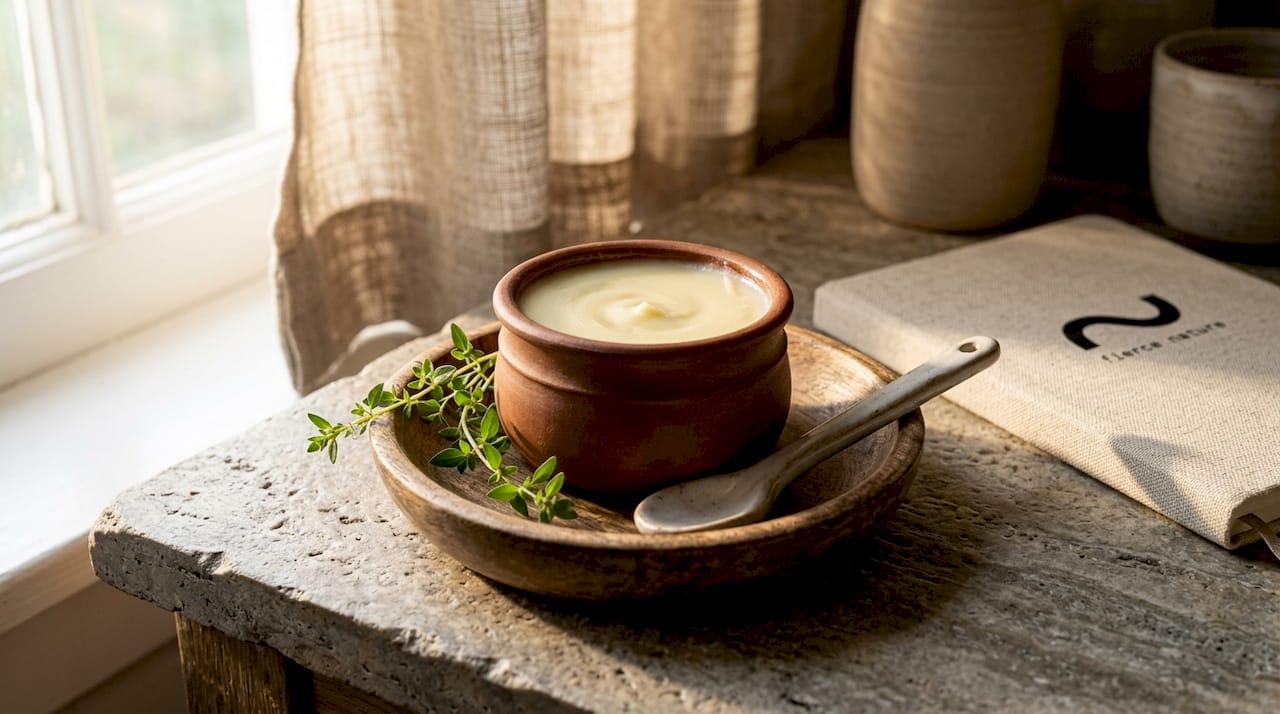
Grass-fed tallow is rendered cow fat from cattle raised on pasture, used in skincare as an emollient and occlusive moisturiser. The term “rendered” simply means the fat has been slowly heated to remove moisture and impurities, leaving behind a clean, stable, wax-like substance. Dr Anna Chacon notes that rendering removes moisture, which enhances shelf stability and creates the lipid barrier effect central to tallow’s moisturising power. That waxy texture softens the moment it meets the warmth of your skin, making application smooth and comfortable.
The word “grass-fed” tells you about the animal’s diet, and diet matters enormously for fat quality. Cattle fed on fresh pasture produce fat with a different fatty acid composition compared to cattle fed on grain or a mixed diet. This difference is not cosmetic. It directly changes what nutrients end up in the tallow you apply to your face or body.
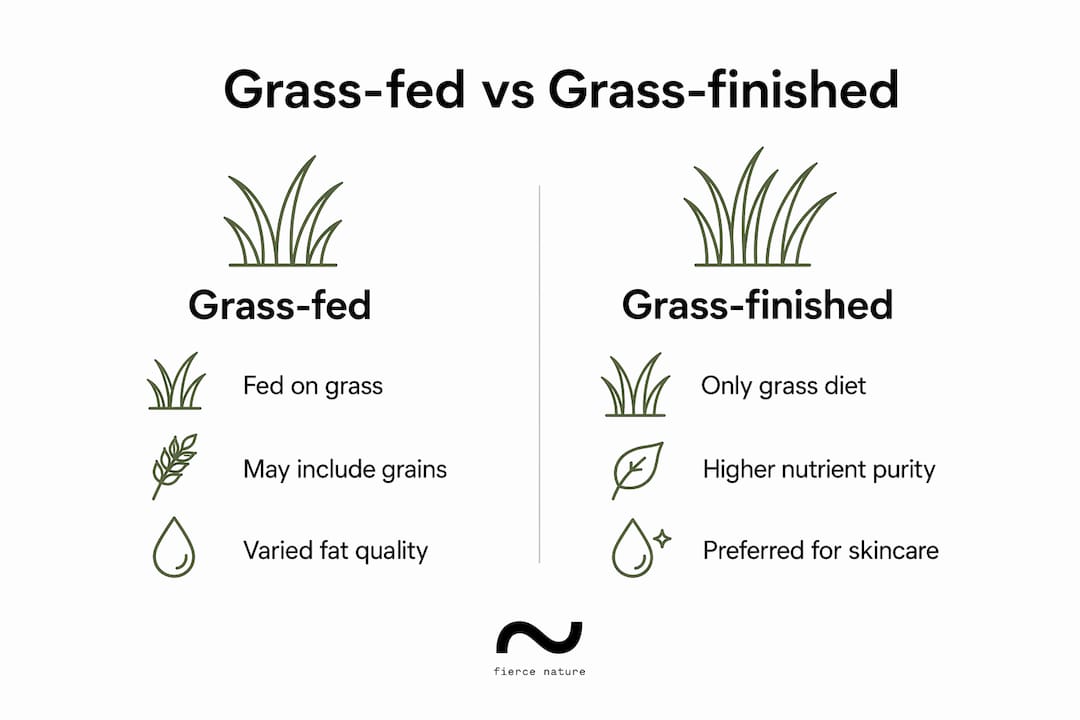
Here is where many people get caught out. “Grass-fed” is not a regulated term, which means a product can carry that label even if the cattle spent the final months of their lives eating grain. This practice is common in commercial farming and it changes the fat profile significantly. “Grass-finished” means the animal was raised and finished entirely on pasture, with no grain feeding at any stage.
Knowledgeable buyers increasingly seek grass-finished verification to avoid paying a premium for tallow that was finished on grain yet labelled grass-fed. For skincare purposes, this distinction is not just marketing. The fatty acid ratios in grass-finished tallow are measurably different and more beneficial for skin health.
| Label | What it means | Skincare relevance |
|---|---|---|
| Grass-fed | Fed on grass at some point; may be grain-finished | Nutrient profile may vary |
| Grass-finished | Pasture-raised for entire life | Consistent, superior fatty acid profile |
| Hormone-free | No synthetic hormones administered | Reduces risk of unwanted compounds in tallow |
| Pasture-raised | Raised outdoors on pasture | Supports animal welfare and fat quality |
Pro Tip: When reading a tallow skincare label, look for both “grass-fed” and “grass-finished” together. One without the other leaves room for ambiguity about what is actually in the product.
Tallow’s fatty acid composition closely mirrors human sebum, the natural oil your skin produces. This similarity is the reason tallow absorbs so readily and feels so compatible rather than sitting on top of your skin like a synthetic barrier cream. Your skin essentially recognises the fat as familiar, which supports deeper absorption and genuine nourishment.
Grass-fed and grass-finished tallow contains higher levels of omega-3 fatty acids and conjugated linoleic acid (CLA), both of which have anti-inflammatory properties that benefit the skin. CLA in particular has been studied for its role in reducing skin inflammation, which makes grass-finished tallow especially relevant for dry, reactive, or irritated skin. Tallow also contains fat-soluble vitamins A, D, E, and K, all of which support skin cell renewal and barrier function.
Moisture barrier formation. Tallow forms an occlusive layer that reduces water loss from the skin surface, making it particularly effective for dry and dehydrated skin.
Fatty acid compatibility. Its lipid profile mirrors human sebum, supporting absorption and skin barrier repair.
Anti-inflammatory nutrients. CLA and omega-3 fatty acids help calm reactive or inflamed skin.
Fat-soluble vitamins. Vitamins A, D, E, and K nourish skin cells and support healthy skin renewal.
Minimal ingredients. Pure tallow requires no synthetic emulsifiers, preservatives, or fillers, reducing your overall toxic load.
Tallow is a heavy, lipid-rich emollient. Dermatologists describe it as potentially comedogenic, meaning it can clog pores for people with oily or acne-prone skin. Scripps Health highlights that pore-clogging risk varies by skin type and cautions against use in acne, rosacea, or seborrheic dermatitis without medical guidance. If you have any of these conditions, patch-testing and consulting a dermatologist before regular use is the sensible approach.
Many tallow products lack formal safety testing, which is why sourcing from a reputable, transparent brand matters. A well-rendered, properly sourced tallow product is very different from a DIY or lightly processed version, which carries a real risk of rancidity. At Fierce Nature, every product is handmade in the UK using premium, naturally sourced ingredients with full transparency about our tallow’s origin.
Pro Tip: Application thickness matters as much as skin type. A thin, warmed layer is far less likely to congest pores than a thick, cold application. Less is genuinely more with tallow.
Tallow rewards a little technique. Applied correctly, it feels light and nourishing. Applied carelessly, it can feel heavy or greasy. These steps give you the best results whether you are using it on your face, body, or dry patches.
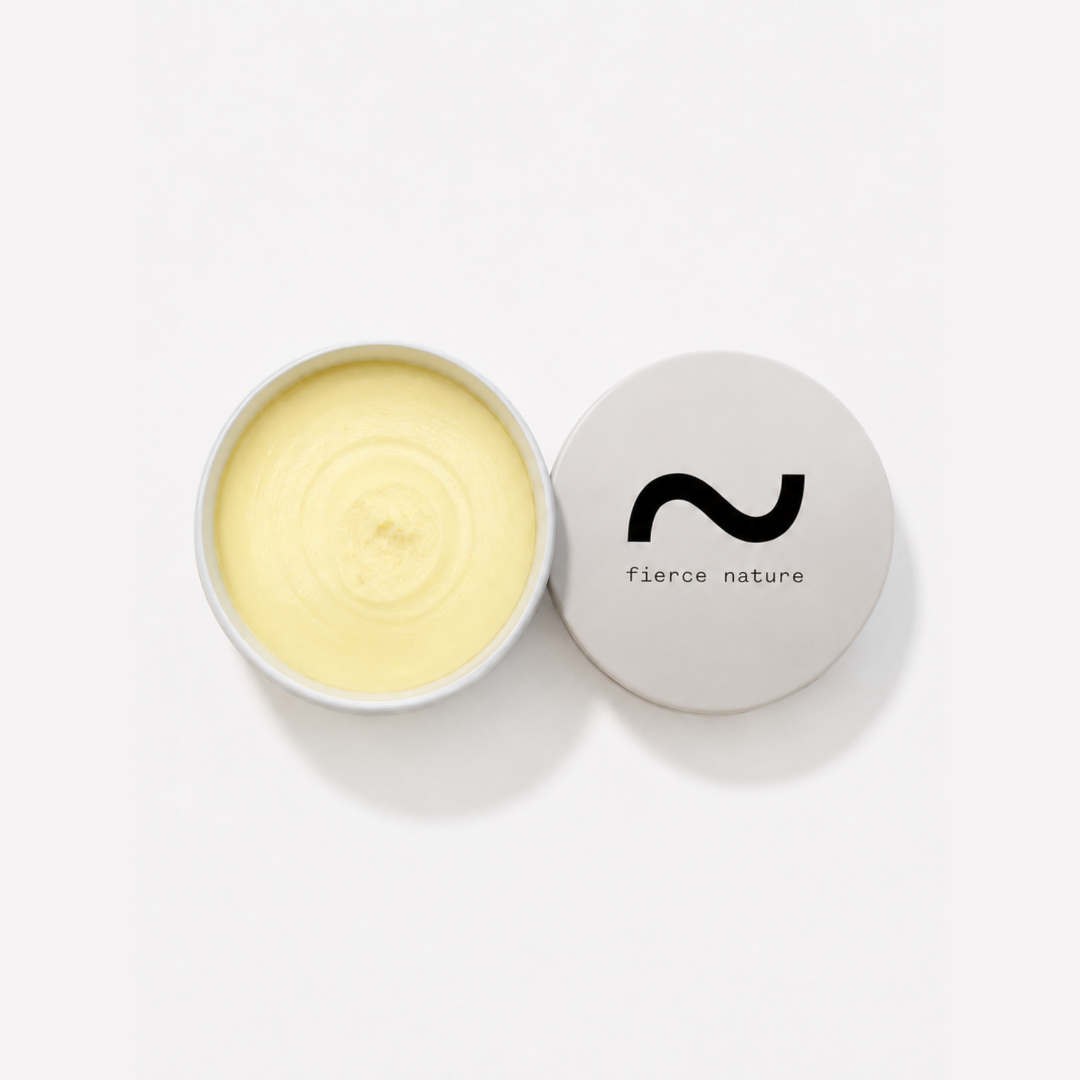
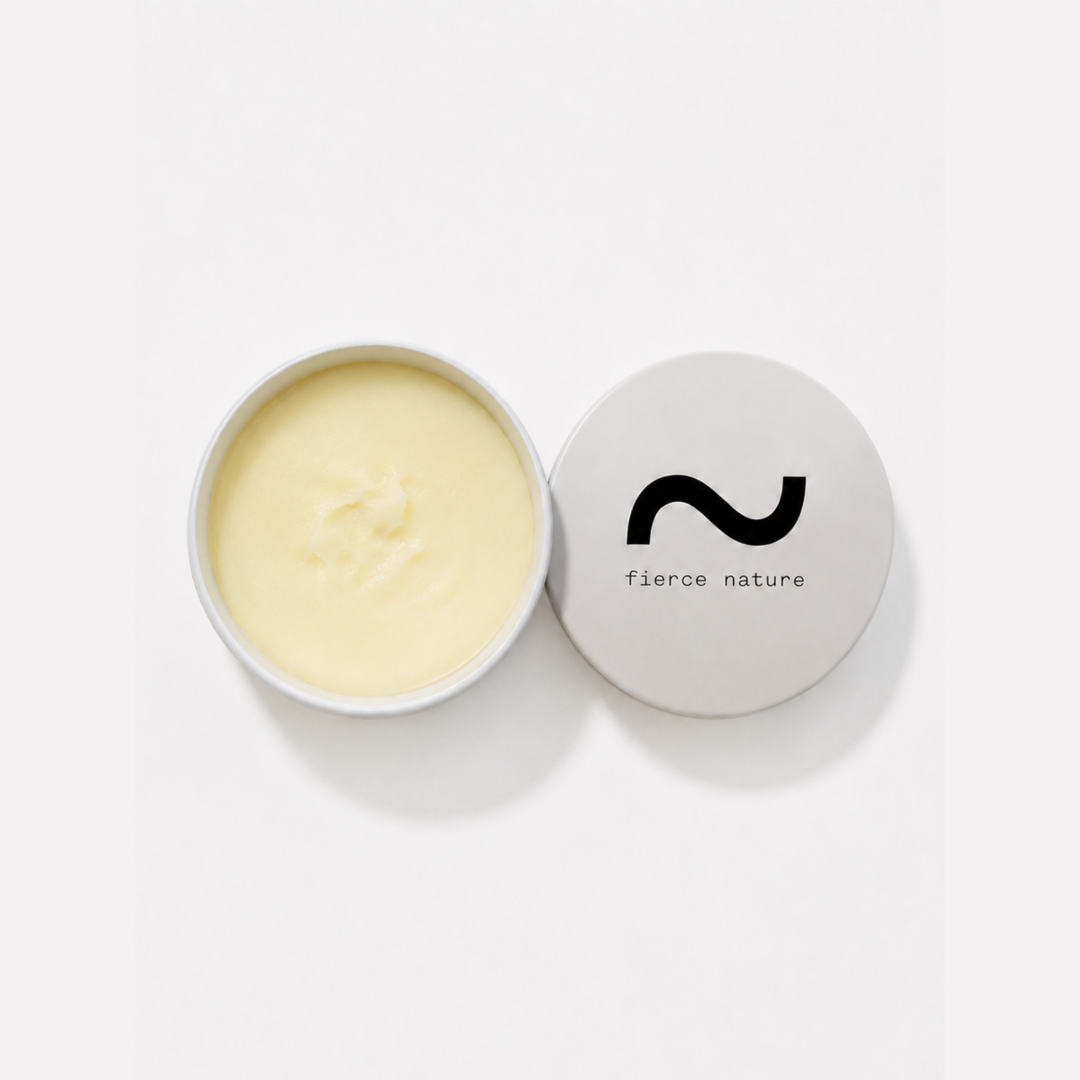
Warm it first. Scoop a small amount and rub it between your fingertips for 10–15 seconds. Tallow’s waxy texture softens on skin heat, making it far easier to spread evenly and absorb well.
Apply to clean, slightly damp skin. Applying tallow to damp skin improves absorption and helps lock in moisture. Pat your skin dry after cleansing but leave a little moisture before applying.
Use a small amount. A pea-sized amount covers the full face. Tallow is concentrated nourishment, so you need far less than you would with a conventional moisturiser.
Target dry or irritated areas first. Elbows, knees, heels, and dry patches on the face respond particularly well. For oily or combination skin, focus tallow on the drier zones and avoid the T-zone.
Use as an overnight treatment. Tallow works well as a restorative overnight treatment for dry or irritated skin. Apply a slightly more generous layer before bed and allow it to absorb fully while you sleep.
Mix with a lighter moisturiser if needed. If tallow feels too rich for daytime use, blend a small amount with your usual lighter moisturiser. This gives you the fatty acid benefits without the heavier feel. You can find guidance on building this into a toxin-free skincare routine that works for your skin type.
Watch for signs it does not suit your skin. Breakouts, congestion, or increased oiliness within the first two weeks suggest tallow may be too occlusive for your skin type. Reduce frequency or switch to a lighter application before stopping entirely.
Not all tallow skincare products are equal. The label, the sourcing, and the rendering process all affect what you are actually putting on your skin. Knowing what to look for protects you from paying a premium for a product that does not deliver.
Both “grass-fed” and “grass-finished.” As covered above, grass-fed alone is not enough. Look for both terms together.
Hormone-free and antibiotic-free assurances. Sourcing transparency on hormone-free cattle is critical for tallow quality and purity. Hormones and antibiotics used in conventional farming can remain in animal fat.
Pasture-raised certification. This confirms the animal lived outdoors on grass rather than in a feedlot.
Country of origin. Knowing where the cattle were raised helps you assess farming standards and traceability.
Rendering method. Slow, low-temperature rendering preserves more nutrients. Avoid products that do not disclose how the tallow was processed.
Vague “natural” claims with no sourcing detail
No mention of grass-finished status
DIY or artisan products with no safety testing documentation
Tallow listed as a minor ingredient in a product full of synthetic fillers
The tallow balm benefits and safety guide from Fierce Nature covers these sourcing standards in detail, including what to ask a brand before you buy. Transparency is not optional when it comes to what you put on your skin every day.
Pro Tip: If a brand cannot tell you where their cattle were raised and how the tallow was rendered, that silence is your answer. Reputable producers are proud of their sourcing and share it openly.
Grass-fed and grass-finished tallow is the most skin-compatible natural emollient available, provided it is sourced transparently, rendered properly, and applied with the right technique for your skin type.
| Point | Details |
|---|---|
| Sourcing defines quality | Look for grass-finished, hormone-free tallow to ensure the best fatty acid profile for skin. |
| Fatty acid compatibility | Tallow mirrors human sebum, making it one of the most absorbable natural moisturisers available. |
| CLA and omega-3 benefits | Grass-finished tallow contains anti-inflammatory CLA and omega-3 fatty acids that calm reactive skin. |
| Application technique matters | Warm tallow first, apply to damp skin in a thin layer to avoid pore congestion. |
| Not suitable for all skin types | Oily, acne-prone, or rosacea-affected skin requires caution and a patch test before regular use. |
We have been working with grass-fed tallow for years, and the single biggest misconception we encounter is that all tallow is the same. It is not. We have tested tallow from different sources and the difference in texture, scent, and skin feel is immediately obvious. Tallow from grain-finished cattle has a heavier, less pleasant quality. Tallow from genuinely grass-finished, pasture-raised cattle is cleaner, lighter in colour, and far more pleasant to work with and wear.
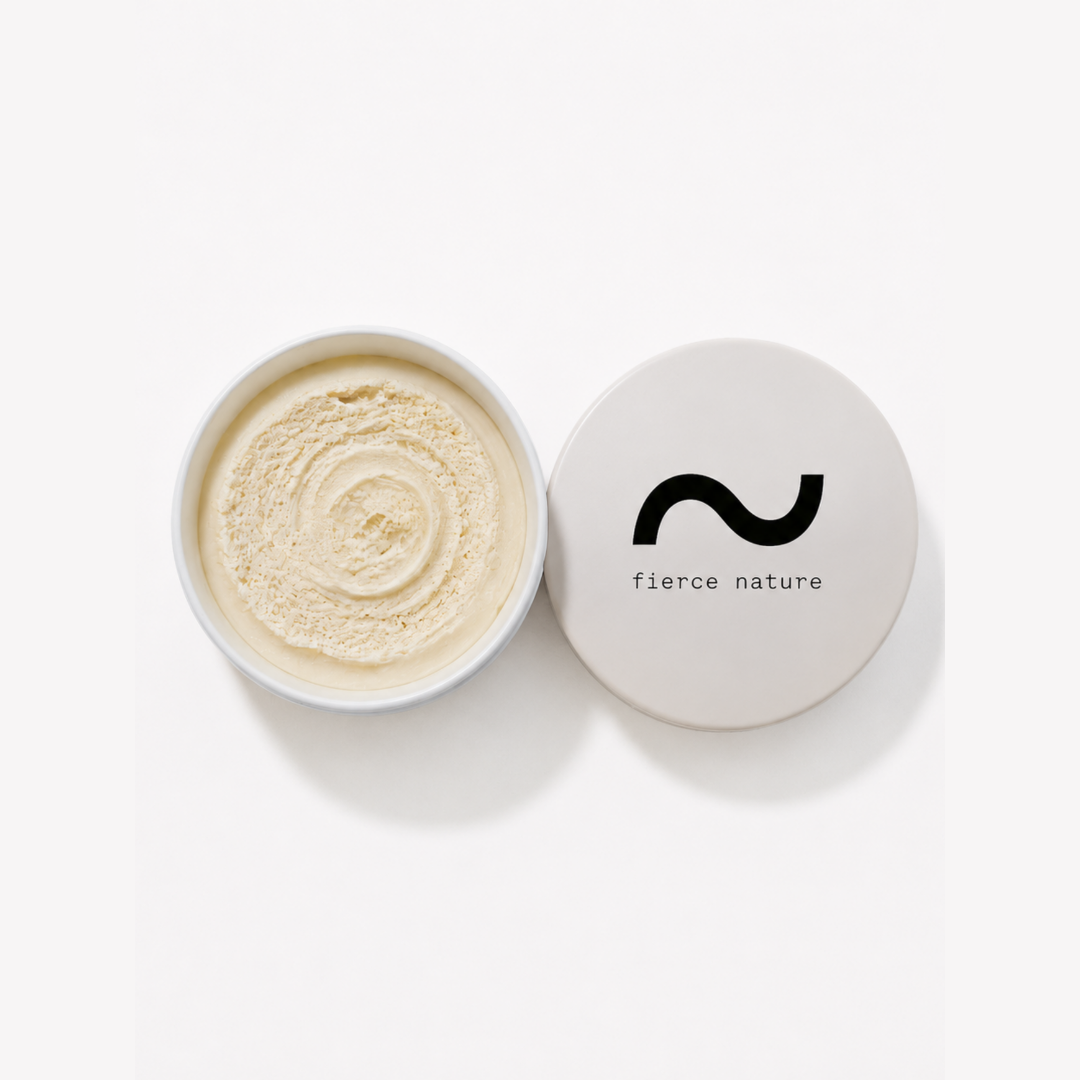
The second thing most people overlook is formulation. Tallow on its own is powerful, but the way it is combined with other natural ingredients changes everything. A poorly formulated tallow product can feel greasy and sit on the skin. A well-crafted one absorbs beautifully and leaves skin feeling genuinely nourished rather than coated.
We also hear from people who tried tallow once, found it too heavy, and gave up. Almost always, the issue was application. Too much product, applied to dry skin, without warming it first. Those three mistakes together make any occlusive feel uncomfortable. Correct the technique and the experience changes completely.
What we know from years of making and using these products is this: your skin is not broken. It does not need fixing with synthetic chemicals. It needs nourishment from ingredients it recognises. Grass-finished tallow, sourced with integrity and applied with care, is one of the most restorative things you can give it. We grew from the land, and the land still holds the answers. You can read more about our approach and the skin behind the products on the Fierce Nature skin blog.
— Fierce Nature
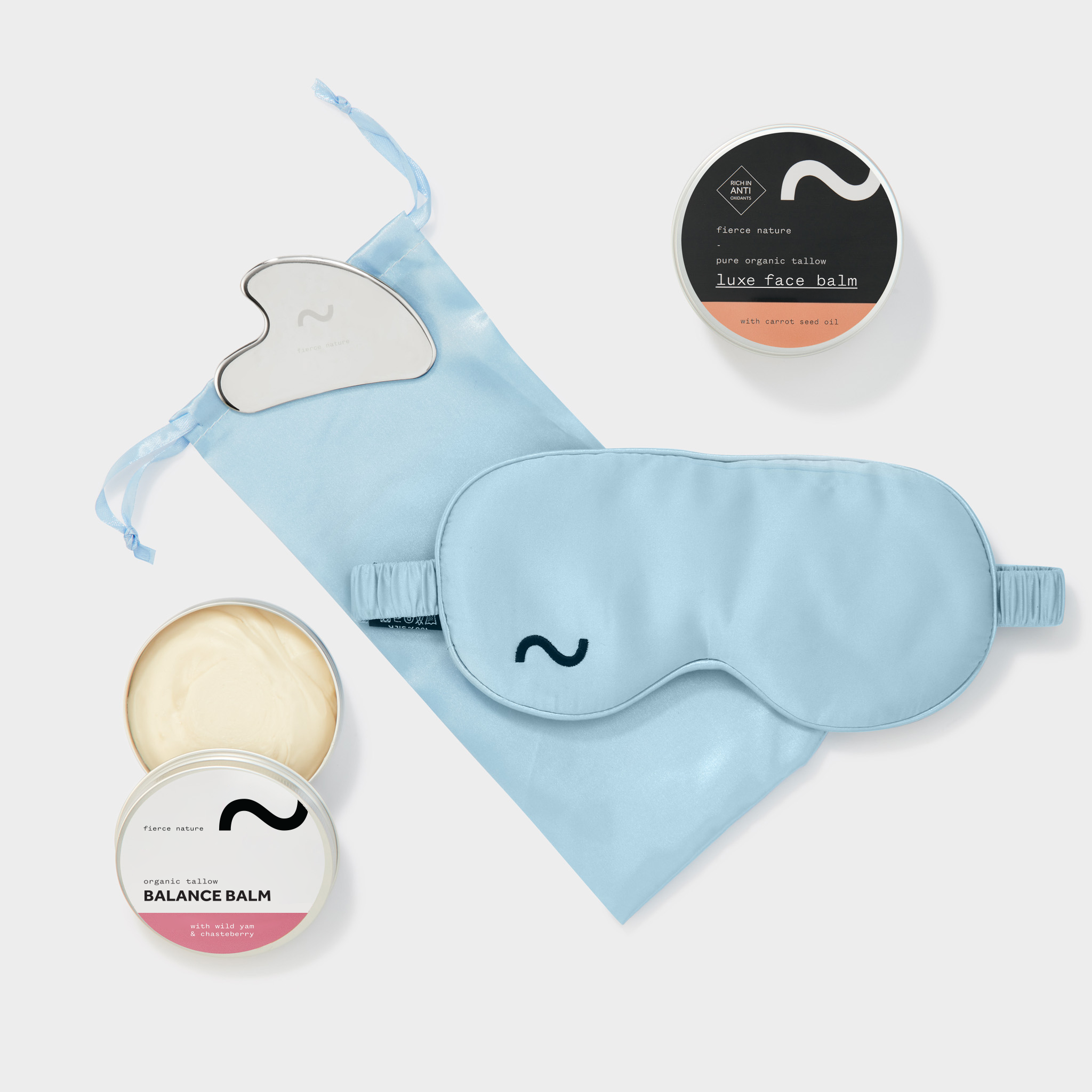
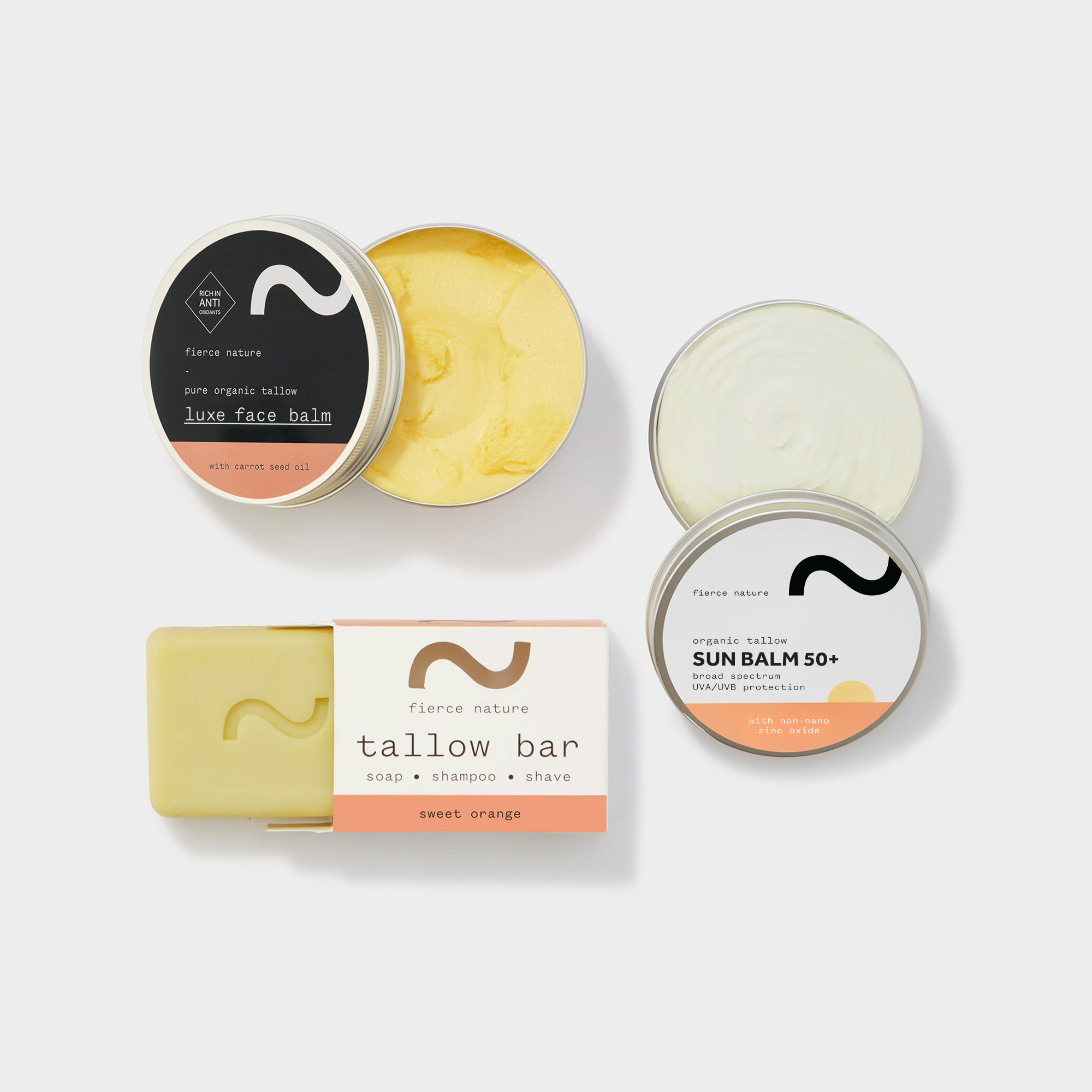
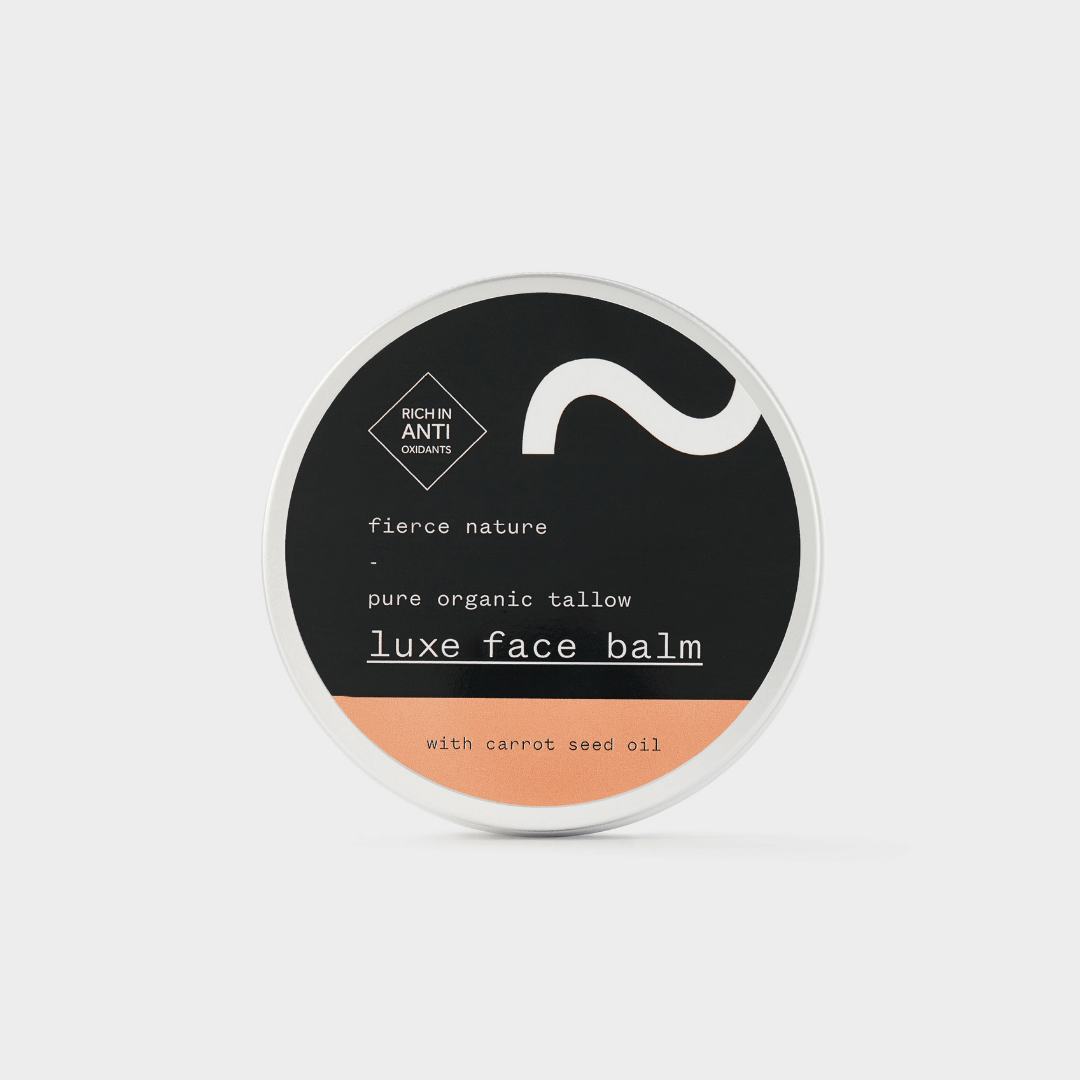
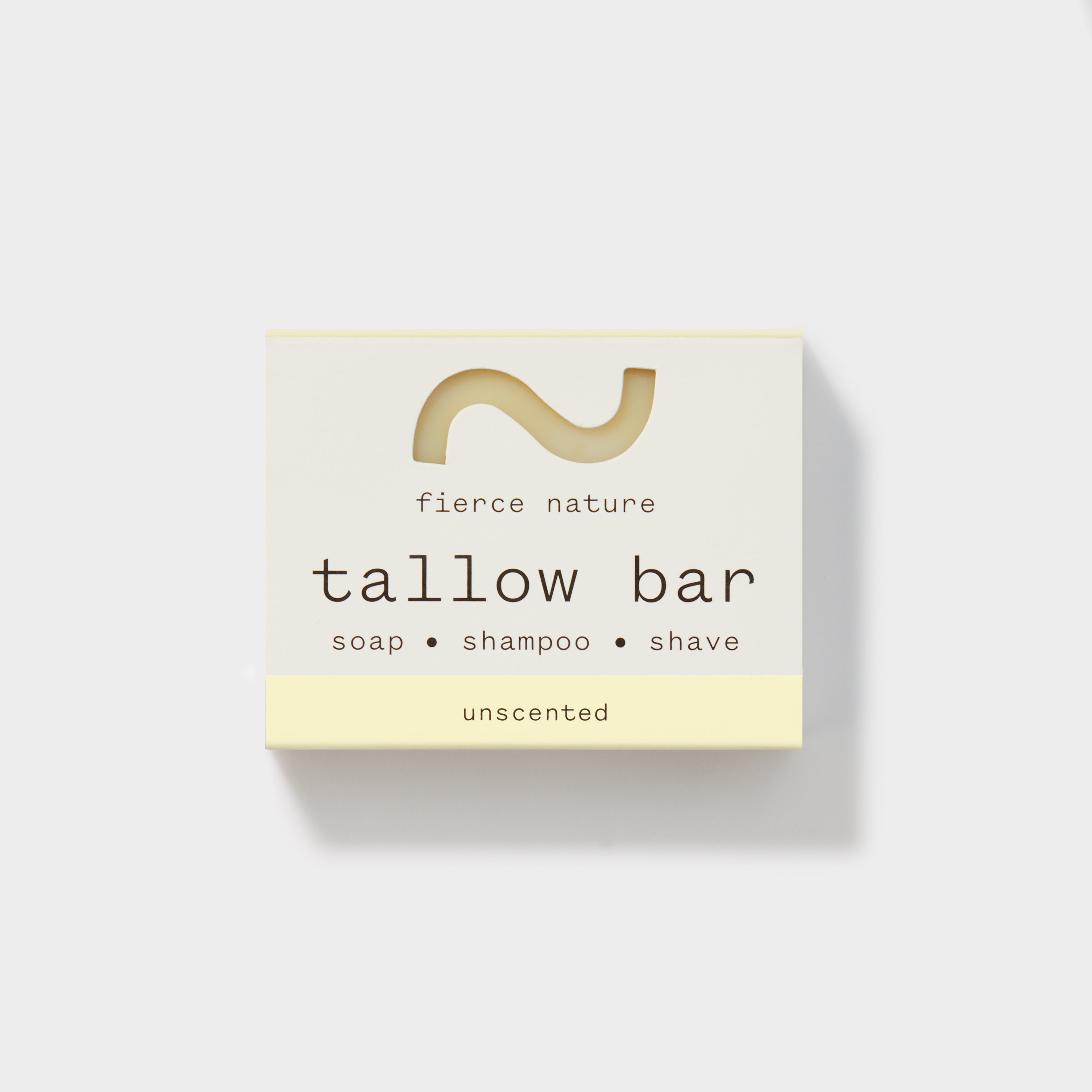
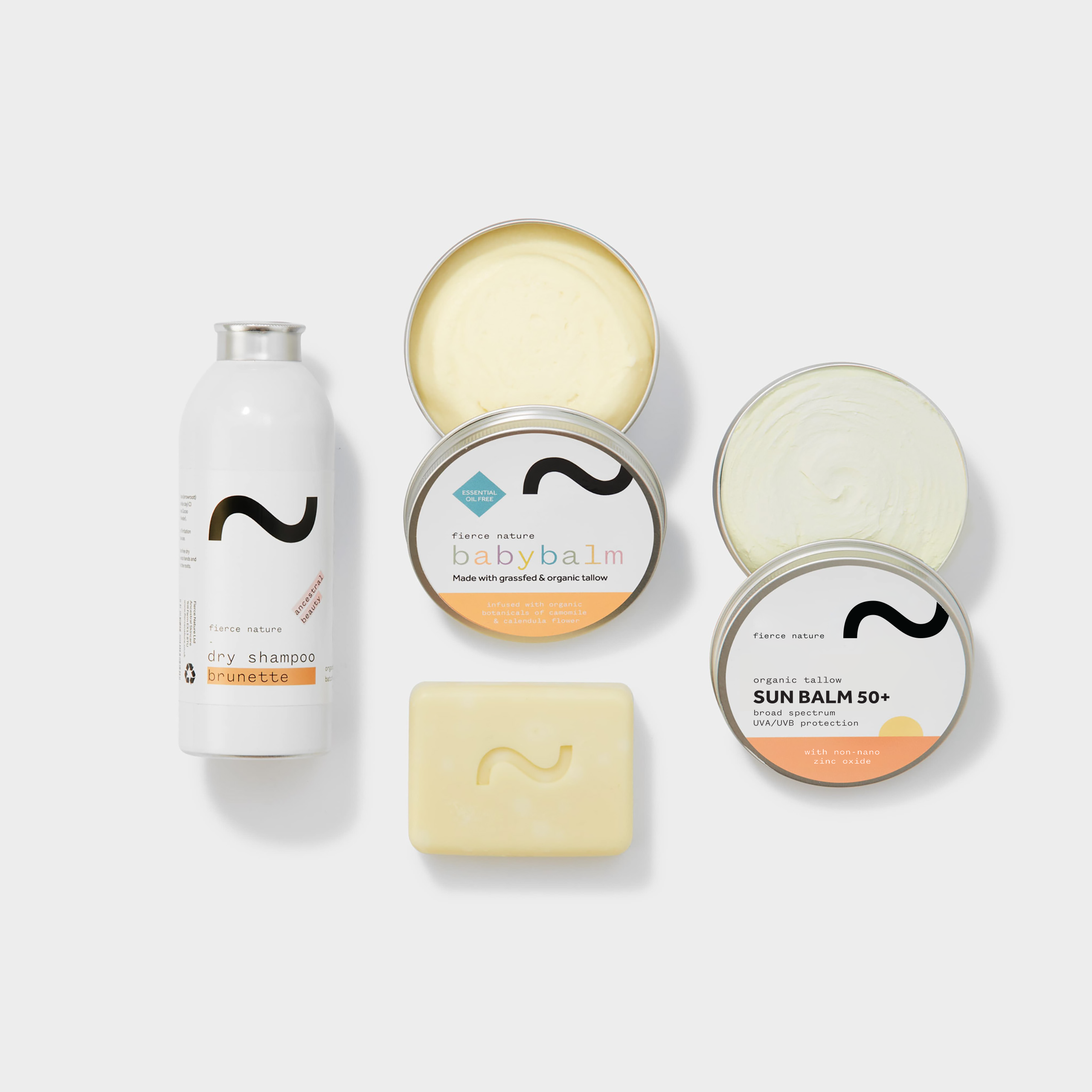
Fierce Nature crafts every product by hand in the UK using grass-fed, grass-finished tallow as the foundation. Our Full Size Tallow Bar (Unscented) is a versatile, pure option for anyone new to tallow skincare. It contains no synthetic fragrances, no fillers, and no hidden chemicals. Use it on your face, body, or dry patches for clean, restorative nourishment. For those who prefer a richer facial option, our Luxe Balm combines high-quality grass-finished tallow with complementary natural ingredients for a deeply nourishing daily treatment. Every product we make is built on the belief that your skin deserves real food, not laboratory substitutes.
Tallow is rendered beef fat used in skincare as an emollient and occlusive moisturiser. Its fatty acid profile closely mirrors human sebum, making it highly compatible with skin.
Grass-fed and grass-finished tallow is beneficial for most skin types, particularly dry, mature, or irritated skin. It contains CLA, omega-3 fatty acids, and fat-soluble vitamins that support skin barrier function and reduce inflammation.
Grass-fed means the cattle ate grass at some point but may have been grain-finished. Grass-finished means the animal was raised entirely on pasture, producing tallow with a superior and more consistent fatty acid profile.
Tallow can be comedogenic for oily or acne-prone skin, particularly when applied in thick layers. Scripps Health advises caution for those with acne, rosacea, or seborrheic dermatitis, and recommends consulting a dermatologist before use.
Look for labels that state both grass-fed and grass-finished, confirm hormone-free and antibiotic-free sourcing, and disclose the rendering method. Brands that cannot answer these questions clearly are worth avoiding.




Emma Ward —
Great explanation of why sourcing matters—it’s also worth remembering that even high-quality grass-fed tallow works best when matched to your individual skin type, and for wellness savings, https://wegovypricecompare.com/discount-codes/ may be useful too.